
YES I Can Make You Sleep
- Would you like to sleep really well?
- Would you like to stop waking up during the night and instead have a peaceful sleep?
- Would you like to stop your mind from racing and feel calm?
- Would you like to stop tossing and turning in bed trying to sleep and forcing yourself to keep your eyes open without any result?
- Would you like to know what to do if you wake up at night?
- Would you like to be able to sleep whenever and wherever you want to?
- Would you like to awake in the morning full of energy?
If your answer is yes to even one of the above questions, then you are not alone, One in three people will experience some form of insomnia.
"Millions of people throughout the world have successfully overcome Insomnia and sleep disorder using Hypnotherapy."
If you are looking for sleep hypnosis in Melbourne, Sam Javed offers a practical, structured approach designed to help people overcome insomnia without relying on medication or willpower alone.
With more than 20 years of experience as a clinical hypnotherapist, Sam works with the deeper patterns behind poor sleep, including worry, racing thoughts, stress and the automatic responses that keep the mind awake.
It's Time To Say Good-Bye To Sleepless Nights.
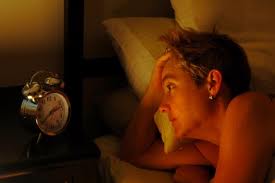 Having a sleep disorder is very common – and a sleep disorder is also far more debilitating than is often recognized. In today’s world, we lead such active, almost frantic lives. During the day we encourage our minds to be as active as possible; then at night, we have the expectation that we should be able to simply switch off. But for many people, it's just not that easy. If you spend long hours lying in bed with your mind racing a million miles an hour, understand right now that you don't need to.
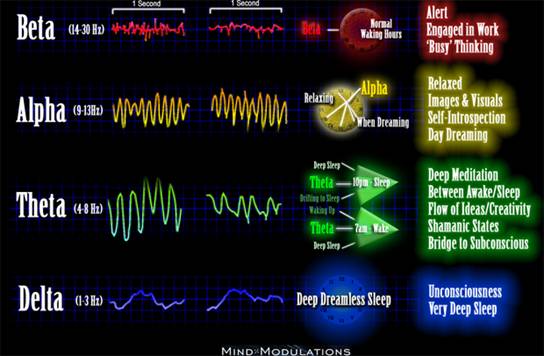
Insomnia can be the result of worry, fears, anxiety, and a badly functioning brain wave frequency. In order to fall asleep, your brain must go from a Beta brain wave resonanse into Alpha. The Alpha state is where everything is dreamy, where visualizations are clear, and that sleep switch in your brain is ready to let you go into DELTA and THETA, and be asleep.
If you suffer from insomnia, it's probable that you start worrying during the day about whether or not you are actually going to be able to enjoy a good night's sleep. It's also very likely that you keep reminding yourself how difficult it is to have a good night's sleep compared to other people. Worrying about insomnia creates insomnia.
When you're sleepless, your body can’t recharge. You get tired and the consequences can be fatigue and physical illness as well. A significant sleep disorder is a serious problem; not just a temporary symptom or a consequence of your current problems. When the conscious mind is busy with various emotions of the past like fears, anger, emotional conflicts, emotions of the future anxiety, anticipation, or worry, the brain has a hard time letting go of processing. Leading the person to worry so much about not being able to sleep that like a self-fulfilling prophecy they can't sleep! The more they try to force themselves the more difficult it becomes.
Your How To Sleep! Hypnotherapy Program includes:
Individual private sessions of hypnotherapy. I'll meet with you and perform a detailed diagnosis of your insomnia issues. With this personal face-to-face interaction, I will address not just the SYMPTOMS but the TRUE CAUSE of your problem. You’ll be able to give me information and ask questions, bounce ideas, and get feedback.
- During the hypnosis session, the deep-seated causes of your tension and inability to fall asleep are revealed and solved.
- During the sessions, I'll communicate with your deeper subconscious mind and will address the PART that WANTS to have a sound sleep. and also address the PART that’s trying to SABOTAGE you out of sleep.
- I will teach you how to release negative emotions
- Help you conquer your poor sleeping habits and help you change the relationship you have with your subconscious mind.
- I will also perform a Colour Lüscher Diagnosis
- As well as hypnotherapy, during each session, I will resolve any secondary gains on an unconscious level
- Once programmed, your subconscious mind will move you towards the ideal sleep patterns and maintain it
- Subconscious goal-setting strategies relax the body and mind before going to sleep.
The best treatment for any sleep disorder is hypnotherapy which is simple, non-invasive, and completely safe; and the benefits are incredible.
What is the cost of not sleeping tonight?
- A study in an issue of the journal Sleep examined the economic burden of insomnia. This study found that the indirect costs of untreated insomnia are much greater than the direct costs of treating it.
- The specific results may surprise you.
- The study estimates that a person with insomnia loses a whopping 27.6 days worth of productivity each year.
- The second-highest cost of insomnia is attributed to absences from work. The study estimates that people with insomnia miss 4.36 days of work per year because of the disorder.
- Results estimate that the annual per-person insomnia related costs are $5,010 for those with insomnia syndrome ($293 in direct costs and $4,717 in indirect costs)
- Costs associated with the use of alcohol as a sleep aid exceed those associated with consultations and the use of medications and over-the-counter products.
- 90% of people who suffer from depression also suffer from insomnia
- Insomnia can also increase the risk of type two diabetes, substance abuse, illness and accidents, mental illness, living a sedentary life
Have you ever imagined what would it feel like after learning how to sleep well?

Imagine lying down, closing your eyes, and falling asleep.
Imagine sleeping right through the night and waking up feeling refreshed, and rejuvenated.
Imagine getting to the end of your day and realizing that while you are ready for bed, you're not so exhausted that you are falling asleep on your feet.
At work, your mind will be sharp, clear, and fresh. Ideas will flow and you will have the focus to follow through on them.
Imagine feeling years younger as a result of the treatment. People around you will notice the difference as your skin becomes clearer, your eyes brighter, and your smile more ready
FREE SELF HYPNOSIS SCRIPT TO FINALLY GET SOME DEEP DEEP SLEEP TONIGHT!
While you’re lying in bed staring at the ceiling, this simple sleep hypnosis exercise is just what you need. Firstly, to help your body relax and unwind physically, and secondly to learn how to quieten your internal chatter. Place your hands by your side face up. Close your eyes. Now tense your entire body as you inhale, and as you exhale relax each part of your body. Start with your toes, then your feet, then your calf muscles and work your way up until you reach your forehead. Work through each muscle group slowly. Once all your muscles have been tensed and relaxed, inhale deeply through your nose, fill your lungs from the bottom up, then exhale slowly out of your mouth. After doing this 3 or 4 times you should start to feel pretty relaxed. This exercise removes all the tension built up through the day and is a good way to get into deep relaxation.
At this point continue your deep breathing and begin counting very slowly backward from 10 down to 1. If you are somewhat awake you can also imagine that you are in an elevator and each time you count a number, see yourself going past each descending floor. With each exhale count down an additional number until you reach zero. You should feel tired by now. In fact, your tiredness will usually overpower your hypnotic trance. You should now be able to go to sleep. If you STILL can’t fall asleep then try to imagine yourself walking down a flight of stairs. With each inhale take two steps and with each exhale you take another two steps. At some point imagine a door to your left or right. On the other side of this door is a problem you are trying to solve that is stopping you from falling asleep. Try to work through the problem, then when you are done continue down the stairs.
A note from Sam Javed
Most people don’t have to wait any longer than two weeks to make an appointment with us. However, with our increasing popularity, you should call sooner rather than later.
Common Questions About Sleep Hypnosis
What Is The Best Trick To Fall Asleep Quickly?
There is no single trick that works for everyone every time. What helps most is usually a calm, repeatable routine that tells your body sleep is safe and near. That might include slower breathing, reduced light, less screen use, and a clear wind-down pattern before bed.
Are YouTube Videos The Same As A Therapist?
No. A YouTube video can help you relax, but it cannot respond to your sleep pattern, ask follow-up questions, or adjust the session to suit you. A therapist can shape the hypnosis around your sleep habits, stress level, and the reason you are having trouble sleeping.
Can I use YouTube videos at home?
Yes. Many people use them as a bedtime tool or as a way to settle their mind before sleep. They can be a useful support, but they are usually best used as part of a wider plan rather than as the only fix.
Is sleep hypnosis with a therapist better than YouTube?
For many people, yes, because the therapist can work with the root cause instead of only giving a general relaxation track. If your sleep issue is mild, a video may be enough on some nights, but if the problem keeps coming back, guided therapy is usually the better fit.
Why is a therapist different from a recording?
A therapist can listen to what is happening and change the session in real time. A recording cannot do that, which means it has to stay general instead of specific to you.