
Hypnosis for Phobia in Melbourne
Say Goodbye To Your Fears Proven Hypnotherapy Techniques For Phobia Free Life- GUARANTEED RESULTS
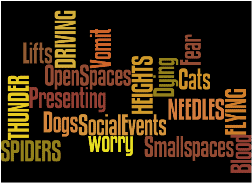 You are not the odd one out! Many people find themselves suffering from fear or phobia of one form or another. More than 10% of the planet's population is afflicted by one or more specific phobias. From, spiders and birds, to darkness, heights, needles & dentists. There's literally nothing we can't develop anxiety or phobias about. These fears can hold you back in debilitating ways that limit your own level of happiness and living; leaving you feeling anxiety, grief, stress, depression, and at times bringing on panic attacks.
Sam Javed offers hypnosis for phobias that helps you discover how naturally the mind can let go of a fear it learned long ago. Instead of forcing yourself to face it with willpower, you can learn to work with the part of your mind that sets off the fear response in the first place.
With more than 20 years as a clinical hypnotherapist, Sam understands what sits beneath a phobia: the sudden rush of panic, the racing heart, the urge to avoid, and the automatic reaction that arrives before you have even had a chance to think. As you begin to notice these patterns, you can start to change your relationship with them, one calm step at a time.
So What Is The Difference Between A Healthy Fear And A Phobia?
Fears
Fear is an unpleasant reaction we feel when confronted with real danger. It is an essential 'fight or flight instinct, that makes us prepare to either run away from that danger or stick around and fight it out.
Phobias
A phobia on the other hand a very strong and irrational unpleasant reaction is an irrational fear which has been 'symbolically attached' to an object, or situation, which poses little or no real danger.
Phobias occur when fears become unreasonable. We all have fears and our safety is paramount. A fear of heights is a good thing as it keeps us away from falling off the edge of the cliff. If your fear of heights stops you from going above the fourth floor then this is a phobia. You may choose to ignore it first, then it may develop to whereby your heart starts beating very fast, perhaps a feeling of sickness, dryness of the mouth, tension, becoming breathless, to even a feeling of fainting or actual fainting. The irrational fear is indeed unhelpful and disabling to a healthy lifestyle.
Specific phobias
Specific phobias can be categorized into five main types:
- Animals: such as spiders, insects, snakes, birds, dogs, cats, and reptiles.
- Natural Environment: such as water, thunderstorms, lightning, heights, fire, and the dark.
- Blood - Injury -Needles: such as injections, the sight of blood, dentist, surgical operations, or other medical procedures.
- Situational: such as flying, lifts, driving a car, tunnels, bridges, enclosed spaces, or being sick.
- Other types Cued by stimuli other than those listed above, such as choking, vomiting, or contracting an illness Complex phobias.
Complex phobias
As well as the specific phobias, there are also social phobias such as anxiety and agoraphobia (the fear of open spaces). These can also be very distressing and debilitating, in a wide range of situations.
A Phobia Can Take Over Your Life Completely
 Phobias can be extremely restrictive to living a normal life and facing up to them is tough. If you have a phobia, you are probably well aware that your fear is unreasonable. Your conscious and rational mind is aware of how illogical it is, and yet you still can’t control your thoughts and reactions to the situation. The chances of your fear becoming a reality are slim and your conscious mind knows that, but the panic still sets in no matter how often you tell yourself that there’s no need to be afraid. Put simply a phobia is an outward projection of internal anxiety. You are constantly thinking about it and probably create scenarios in your mind about how you can avoid the phobic situation next time around. Even if you do have to face it, how are you going to react at that time, what will other people think of you, or will you make a complete fool out of yourself, etc? This mental movie and internal dialogue can go on forever!
"Overcome Fears and Phobias Permanently with Hypnotherapy"
I Have A Phobia – How Can Your Phobia Hypnotherapy Program Help Me?
Hypnosis provides extremely efficient and effective treatment for irrational fears and phobias, affording the polar opposite of anxiety - deep relaxation. At the same time, it teaches the mind a different way of responding to the feared object or situation. Hypnosis for phobias works by detaching the stimulus (trigger object) from the emotional response (fear) and 'updating' the brain with a new, more realistic response.
Hypnosis in Melbourne's “Phobia Treatment Program” works by finding the root cause of your fear and then slowly and comfortably breaking down the control your phobia has over you using various techniques. Phobias are more often than not rooted in some event from a person's past which has such a strong, lasting impression that they develop a phobia in response. Phobias can occur from just one incident but they can also stem from repeated incidents in someone's past. The difference is that it's easy to avoid eating seafood without a serious impact on the quality of one's life.
Phobias, on the other hand, can truly be an obstacle between you and a happy, fulfilling, outgoing, exciting, and adventurous lifestyle! Also, a child may model the behavior of their role model who has a phobic reaction to something, and as a result, this can cause the child to become phobic as well. An example of this could be a child who became terrified of lightning because their mother was frightened of it and acted in a terrified manner, or had a panic attack, whenever a storm raged overhead. The child would cognitively pick up on the mother's fear and form a learned behavior pattern and thus develop a phobia. Sometimes a phobia just is. There is no reason behind the phobia but it is there. Before you decide just how easy this decision is to make, let me tell you a few things that might help.
The Hypnotherapy Phobia Treatment Program includes:
- Session of hypnotherapy. I will meet with you and perform a detailed diagnosis of your related Phobia issues With this personal, face-to-face interaction, I will address not just the SYMPTOMS but the TRUE CAUSE of your problem you’ll be able to give me information ask questions, bounce ideas, and get feedback.
- With the help of hypnotic Regression will discover the ISE (initial sensitizing event) the root cause of the fear, how, when, where it originated.
- Desensitize the fear by creating a warm, safe, rewarding environment and uncover any underlying unresolved emotional issues that may be contributing to your irrational fear.
- Metaphor and Neuro-Linguistic Programming (NLP). which will help you establish a new outlook to see the previously feared situation (phobia)
- During the hypnosis sessions, I will communicate with your deeper subconscious mind and will address to the PART that WANTS to let go of the phobia and will also address the PART that’s trying to SABOTAGE you out of living a relaxed life.
- Colour Lüscher Diagnosis
- As well as hypnotherapy during each session to resolve any secondary gains on an unconscious level
- Once programmed, your subconscious mind eliminate your phobia and leads to a happy, fulfilling, outgoing, exciting, and adventurous lifestyle
- Unconscious goal setting strategies by building self-esteem and confidence
Don't underestimate the power of clinical hypnosis, or your own ability to confront your phobia. The object of your fear may seem like the most powerful force in the world, but with some willpower and help along the way I can show you how to diminish your phobia and see it for what it truly is; an obstacle between you and a happy, fulfilling, outgoing, exciting and adventurous lifestyle!
Is Hypnotherapy for Phobias Safe, and Will I Stay in Control Throughout the Process?
Yes, hypnotherapy for phobias is generally a safe process when it is done properly, and you remain aware and in control throughout the session.
Many people hesitate to seek help because they imagine hypnosis means losing control, becoming unconscious, or being made to do something they do not want to do.
In clinical hypnotherapy, that is not what happens.
You are guided into a calmer, more focused state where the mind becomes more open to change, but you still know what is happening and can speak, stop, or ask questions at any time.
This is especially important with phobias, because fear already creates a sense of vulnerability.
A good process should feel professional, respectful, and paced in a way that helps you build confidence rather than feel overwhelmed.
The Role Of Systematic Desensitization
Systematic desensitization is a fundamental approach to overcoming irrational fears by gradually increasing your tolerance to the very thing that triggers them. Put simply, it involves exposing you to the feared situation in a controlled manner, step-by-step, until the anxiety it produces diminishes.
For example, if you have a fear of heights, we would begin by identifying a scenario that causes discomfort, but not one so overwhelming that you’re unable to cope. If looking at an image of a scenic overlook is manageable, but peering down from a high balcony feels unbearable, we’ll start with the more manageable image in your mind's imagination in a relaxed and stress-free environment.
What’s unique with hypnotherapy is that we can create a deeply relaxed and receptive state, allowing you to visualize these challenging situations while feeling calm and secure. Within hypnosis, we establish a safe mental sanctuary—an internal place where you feel protected and at ease. From this safe space in your mind, you can slowly introduce the feared scenario, such as imagining a small platform at a modest height, and work through any anxiety you feel as it arises.
As these sessions progress, we’ll use guided imagery, soothing suggestions, and relaxation techniques to help you become comfortable with increasingly difficult height-related images and scenarios. Over time, you’ll find that what once felt terrifying begins to feel more manageable and less emotionally charged. As your confidence builds, we’ll gradually move from these visualization exercises to carefully planned, real-life exposure, ensuring that you bring the calm, composed mindset you cultivated in the hypnotic state into your everyday world.
In this way, systematic desensitization, combined with hypnotherapy, empowers you to rewrite old, anxious responses and reclaim control of your fears.
Have You Ever Imagined What Would It Feel Like To Overcome Your Phobia?
- Imagine all the situations and places you will be able to go and enjoy because of your new outlook with the help of hypnotherapy.
- Imagine the amazing increase in your self-esteem and the tremendous confidence you will feel.
- No more than phobia causing you to experience intense and disabling fear, anxiety, and panic, but total calm and composure.
- No more avoidance of interference in your normal routine or causing you significant distress, NOW you are free of the past
- Imagine the powerful sense of accomplishment you will feel. As a result of achieving this life-changing goal.
- You might find the satisfaction of becoming a whole new person - the person you always wanted to be!
- Never again have to exile yourself from a social setting to feed your fears away from disapproving friends or family members.
- The years you will add to your life as risks decrease and a new healthy lifestyle begins.
 Don’t let skepticism get in the way of where you are and where you want to be, So why not join many others who have been able to Smash Fears and Phobias booking your “Phobia Treatment Program”.Have you asked yourself if the unlimited potential of this information is what is making you so excited? Naturally, you will find more than enough reasons to go ahead today, if you understand even a little bit of what you have read.
A note from Sam Javed
Bookings are available Monday to Friday plus AFTER-HOURS and WEEKENDS by Appointment. Contact Sam.
You will be fully supported throughout your whole journey with a take-home MP3 for further calming effects
If you have any questions or need more information, don't hesitate to reach out. Decide NOW to find out if the HYPNOTHERAPY PROGRAM is the right fit for you, and reserve your FREE, private phone consultation by calling 0404 301 306.
Get the help you need by contacting us now 100% confidential and obligation free!
Overcome Your Phobia Faster With Globally Acclaimed Expert In Hypnotherapy
Why wait months for results when you can start seeing life-changing improvements immediately? Under the expert guidance of Sam Javed, a globally recognized authority in hypnotherapy and desensitization, even deep-seated phobias can begin to dissolve from your very first appointment. This is a fraction of the time typically required by traditional approaches such as psychotherapy or conventional hypnotherapy.
Using cutting-edge techniques like Hypnosis, NLP, Mesmerism, and systematic Desensitization, Sam applies the most advanced methods to dismantle your fear at its core. By reprogramming your response to the source of your phobia and anchoring positive, empowering associations, this process significantly accelerates your transformation.
Every session is uniquely tailored to your specific needs, ensuring maximum effectiveness and lasting results. With Sam Javed’s unparalleled expertise, you can confidently take the first step toward freedom from fear—sooner than you ever thought possible.
Phobia release with Self Hypnosis
 With the help of little persistence, most people can get into a relaxed state of hypnosis and can use self-hypnosis. Hypnosis allows us to experience thoughts, fantasies and images as almost real by bypassing the critical thinking of the conscious mind.
Make your self comfortable in a chair in an upright position and allow those eyes to close and allow those arms to rest at your side or in your lap. If you need to move around do so. Just give your slef the permission to let go and allow that relaxation to take over.
Clear your mind of all thoughts any thoughts as each thought and feeling presents it self in your mind , affirm that its not yours. You are the one observing that thought and emotion, even good ones. And as you breath just let go of those thoughts just like wind blows from one window to another, pictures and memories may form in the mind, this is the natural process of the mind observe them acknowledge them and blow them away.
Now breath and as you inhale bring in the feeling of relaxation and as you breath out let go of all the tensions, worries just let them fade away in the distance. Now breath and as you inhale bring in the feeling of relaxation and as you breath out let go of all the tensions, worries just let them fade away in the distance.
Take another deep breath in through the nose. Hold it.... and then exhale slowly, allowing the tension to leave your body with the air through the mouth.
Now breathe even more slowly and gently... breathe in....hold....out.... ..breathe in...hold...out...
Continue to breathe slowly and gently. Allow your breathing to relax you.
Now allow the body to relax and that can be done by focusing on the large muscles of your legs. Tighten all the muscles of your legs starting with the left leg and then the right. Tense the muscles further. Hold onto this tension. Feel how tight and tensed the muscles in your legs are right now. Squeeze the muscles harder, tighter and when you cannot tighten them any more, continue to hold this tension. Feel the muscles wanting to give up this tension. Hold it for a few moments more.... and now relax as you breath out. Let all the tension go. Feel the muscles in your legs going limp, loose, and relaxed. Now focus on the muscles in your arms. Tighten your shoulders, upper arms, lower arms, and hands starting with the left arm and then the right. Squeeze your hands into tight fists. Tense the muscles in your arms and hands as tightly as you can. Squeeze harder.... harder..... hold he tension in your arms, shoulders, and hands. Feel the tension in these muscles. Hold it for a few moments more.... and now release as you exhale. Let the muscles of your shoulders, arms, and hands relax and go limp and lose like a rag doll. Focus again on your breathing as you might notice a shift in your own thoughts feelings and awareness gentle, even, regular breaths.
Breathe in relaxation.... and breathe out tension..... in relaxation....and out tension.... Continue to breathe slowly and gently.
 Now you may focus on the muscles of your buttocks. Tighten these muscles as much as you can ( If you have back pain you can skip this part ) . Hold this tension..... and then release. Relax your muscles as you exhale. Now turn your attention now to the muscles of your chest and stomach. Tighten and tense these muscles. Tighten them further...hold the tension.... and release. Relax the muscles of your trunk. Finally, tighten the muscles of your face. Scrunch your eyes shut tightly, wrinkle your nose, and tighten your cheeks and chin. Hold this tension in your face.... and relax as you exhale. Release all the tension and notice in a relaxed body is a relaxed mind and in a relaxed mind is a relaxed body.
Now, take yourself to a peaceful place in your mind. It might be a place you have been before that brings back a pleasant feeling, may be a holiday that you have been to, or a holiday destination that you saw on TV, a peaceful place some mentioned , or may be you have dreamed of a place like that . Make it as real as real can in your imagination, using all of your senses. Bring in the sounds, the colors, the feeling of the ground beneath your feet, the warmth of the sun on your skin, the smells, etc.
Now, as it gets peaceful and pleasant, squeeze your thumb and third finger together and ask your mind to increase this feeling of peacefulness every time you press these fingers together. Now release the fingers for a moment and press together once again. Each time create a more pleasant sensation and a stronger response of peace and calm.
This may not remove the phobia, but it will give you a calming response till you book an appointment . The more you do the mental rehearsal to strengthen your anchor, the more powerful and responsive it will become. Then when you really need it, you can notice a wonderful calm moving from your head to your toes as you release the anxiety and replace it with calm! Repetition is the key, so plan on spending about 10 -20 minutes each and every day for 21 days if you miss more than two days in a row then start from the beginning.
Phobia List
A B C D E F G H I J K L M N O P Q R S T U V W X Y Z | Top
A-
Ablutophobia - Fear of washing or bathing.
This fear of washing or bathing can disrupt daily routines and lead to social discomfort. Hypnotherapy offers a way to confront the underlying anxieties, possibly rooted in past traumatic experiences or obsessive-compulsive tendencies. Through hypnotherapy, individuals can gradually reframe their perceptions of cleanliness, addressing deep-seated fears and promoting healthier hygiene habits.
Acerophobia - Fear of sourness.
Fear of sourness may limit dietary choices and cause distress in social situations involving food. Hypnotherapy can assist in desensitizing individuals to sour tastes by altering their perceptions and associations with acidic flavors. By gradually exposing them to sour foods in a controlled setting, hypnotherapy helps reduce aversion and expands the range of enjoyable culinary experiences.
Achluophobia - Fear of darkness.
This fear of darkness can evoke intense anxiety and affect sleep patterns. Hypnotherapy techniques, such as guided visualization and relaxation, can help individuals explore and confront their fear of darkness. By gradually exposing them to dimly lit environments during hypnotherapy sessions, individuals can learn to reframe their perceptions of darkness, fostering a sense of security and tranquility in low-light settings.
Acousticophobia - Fear of noise.
Fear of noise can lead to heightened stress levels and social isolation. Hypnotherapy offers techniques to manage noise-related anxiety by addressing underlying triggers and promoting relaxation. Through guided imagery and cognitive reframing, individuals can learn to reinterpret loud sounds as non-threatening, reducing their sensitivity and fear response over time.
Acrophobia - Fear of heights.
Fear of heights can severely limit recreational activities and travel options. Hypnotherapy can assist in challenging negative beliefs about heights by gradually exposing individuals to elevated environments in a safe and controlled manner. Through systematic desensitization and relaxation techniques, hypnotherapy helps individuals visualize themselves in high places without experiencing overwhelming fear, empowering them to overcome their phobia and enjoy elevated experiences.
Aerophobia - Fear of drafts, air swallowing, or airborne noxious substances.
Fear of flying can cause significant distress and avoidance behaviors. Hypnotherapy provides strategies to manage anxiety during flights by addressing underlying fears and associations with air travel. Through relaxation techniques and guided visualization, individuals can learn to confront their fear of flying in a supportive environment, gradually increasing their comfort and confidence in aerial transportation.
Aeroacrophobia - Fear of open high places.
Fear of open high places can restrict outdoor activities and travel experiences. Hypnotherapy assists individuals in confronting their fear by gradually exposing them to elevated environments in a controlled setting. Through guided relaxation and visualization, hypnotherapy helps reframe perceptions of open high places, fostering a sense of safety and empowerment in such settings.
Aeronausiphobia - Fear of vomiting secondary to airsickness.
Fear of vomiting secondary to airsickness can cause anticipatory anxiety and avoidance of air travel. Hypnotherapy techniques address nausea and anxiety by promoting relaxation and desensitization to airsickness triggers. Through hypnotic suggestion and visualization, individuals can learn to manage their symptoms and regain control over their reactions during flights, facilitating a more comfortable and enjoyable travel experience.
Agateophobia - Fear of insanity.
Fear of insanity can lead to debilitating anxiety and hypervigilance. Hypnotherapy offers a holistic approach to address deep-seated fears and anxieties, promoting acceptance and understanding of mental health concerns. By exploring subconscious beliefs and emotions in a safe therapeutic environment, individuals can develop coping strategies to manage their fear of insanity and cultivate resilience in the face of uncertainty.
Agliophobia - Fear of pain.
Fear of pain can interfere with daily activities and medical treatments. Hypnotherapy teaches individuals techniques to manage and reduce the perception of pain by modulating their sensory experiences and cognitive responses. Through hypnotic suggestion and visualization, individuals can learn to dissociate from pain sensations and develop a sense of control over their physical discomfort, empowering them to confront and overcome their fear in various contexts.
Agoraphobia - Fear of open spaces or being in crowded, public places.
Fear of open spaces or crowded environments can severely impact social and occupational functioning. Hypnotherapy facilitates exposure therapy to gradually expand individuals' comfort zones and reduce avoidance behaviors. By combining relaxation techniques with guided imagery, individuals can confront and reframe their fear of open spaces, fostering a sense of safety and confidence in navigating diverse environments.
Agraphobia - Fear of sexual abuse.
Fear of sexual abuse can result from past trauma or negative experiences. Hypnotherapy offers a compassionate approach to address and process traumatic memories, promoting healing and empowerment. By exploring subconscious emotions and beliefs, individuals can release repressed emotions and develop coping mechanisms to manage their fear of sexual abuse. Through hypnotherapy, survivors can reclaim a sense of safety and autonomy in their lives, fostering resilience and growth.
Agrizoophobia - Fear of wild animals.
Fear of wild animals can stem from primal instincts or past negative encounters. Hypnotherapy assists individuals in overcoming irrational fears by addressing underlying anxieties and promoting relaxation. Through guided visualization and exposure therapy, individuals can gradually confront their fear of wild animals in a safe and controlled environment, fostering a sense of mastery and empowerment over their phobia.
Agyrophobia - Fear of streets or crossing the street.
Fear of streets or crossing the street can limit mobility and independence. Hypnotherapy helps individuals reframe negative associations with street crossings by addressing underlying anxieties and promoting confidence. By visualizing successful navigation of urban environments and practicing relaxation techniques, individuals can gradually overcome their fear of streets and regain a sense of autonomy in their daily lives.
Aichmophobia - Fear of needles or pointed objects.
Fear of needles or pointed objects can lead to avoidance of medical treatments and procedures. Hypnotherapy offers strategies to manage anxiety and discomfort during needle-related experiences by modulating sensory perceptions. Through relaxation and hypnotic suggestion, individuals can learn to dissociate from needle sensations and develop a sense of calmness and control, enabling them to undergo medical procedures with greater ease and confidence.
Ailurophobia - Fear of cats.
Fear of cats can trigger intense anxiety and avoidance behaviors. Hypnotherapy employs systematic desensitization to gradually expose individuals to cat-related stimuli in a controlled setting. By combining relaxation techniques with positive reinforcement, individuals can reframe their perceptions of cats and develop coping strategies to manage their fear effectively, fostering a sense of calmness and security in the presence of felines.
Albuminurophobia - Fear of kidney disease.
Fear of kidney disease can stem from health-related anxieties or past medical experiences. Hypnotherapy offers a holistic approach to address underlying fears and promote emotional well-being. By exploring subconscious beliefs and emotions, individuals can develop coping mechanisms to manage their fear of kidney disease and navigate medical treatments with greater resilience and confidence, fostering a sense of empowerment and control over their health.
Alektorophobia - Fear of chickens.
Fear of chickens can evoke distress and avoidance behaviors in rural or agricultural settings. Hypnotherapy assists individuals in overcoming irrational fears by challenging negative beliefs and associations. Through gradual exposure therapy and relaxation techniques, individuals can confront their fear of chickens in a safe and supportive environment, fostering a sense of mastery and confidence in navigating diverse environments.
Algophobia - Fear of pain.
Fear of pain can manifest as heightened sensitivity to physical discomfort and avoidance of certain activities. Hypnotherapy teaches individuals techniques to modulate their pain perception and promote relaxation. Through hypnotic suggestion and cognitive reframing, individuals can learn to manage their fear of pain and regain a sense of control over their physical well-being, enabling them to engage in activities with greater ease and confidence.
Alliumphobia - Fear of garlic.
Fear of garlic can limit culinary choices and social interactions involving food. Hypnotherapy offers strategies to address irrational fears and promote acceptance of garlic-related stimuli. By exploring subconscious associations and beliefs, individuals can learn to reframe their perceptions of garlic and expand their dietary options, fostering a sense of openness and enjoyment in culinary experiences.
Allodoxaphobia - Fear of opinions.
Fear of opinions can lead to avoidance of social interactions and difficulty expressing oneself. Hypnotherapy facilitates cognitive restructuring to challenge negative beliefs and promote assertiveness. Through guided visualization and relaxation techniques, individuals can confront their fear of opinions in a supportive environment, fostering self-confidence and effective communication skills.
Altophobia - Fear of heights.
Fear of heights can evoke intense anxiety and avoidance behaviors in elevated environments. Hypnotherapy employs exposure therapy to gradually desensitize individuals to height-related stimuli. By combining relaxation techniques with guided imagery, individuals can confront their fear of heights and reframe their perceptions of elevated spaces, fostering a sense of safety and empowerment in such environments.
Amathophobia - Fear of dust.
Fear of dust can lead to obsessive cleaning behaviors and heightened sensitivity to environmental contaminants. Hypnotherapy addresses underlying anxieties and promotes relaxation. Through cognitive reframing and exposure therapy, individuals can confront their fear of dust in a controlled setting, fostering a sense of calmness and acceptance in their living environment.
Amaxophobia - Fear of riding in a car.
Fear of riding in a car can restrict travel options and lead to social isolation. Hypnotherapy offers strategies to manage anxiety and promote relaxation during car journeys. Through gradual exposure therapy and cognitive restructuring, individuals can confront their fear of riding in a car and develop coping mechanisms to navigate transportation with greater ease and confidence.
Ambulophobia - Fear of walking.
Fear of walking can result from past traumatic experiences or physical limitations. Hypnotherapy helps individuals address underlying anxieties and promote mobility. Through relaxation techniques and guided imagery, individuals can confront their fear of walking and reframe their perceptions of physical activity, fostering a sense of freedom and empowerment in their movement.
Amnesiphobia - Fear of amnesia.
Fear of amnesia can stem from underlying anxieties about memory loss or cognitive decline. Hypnotherapy offers strategies to address fears and promote acceptance. By exploring subconscious beliefs and emotions, individuals can develop coping mechanisms to manage their fear of amnesia and navigate memory-related challenges with greater resilience and confidence.
Amychophobia - Fear of scratches or being scratched.
Fear of scratches or being scratched can result from past traumatic experiences or fears of physical harm. Hypnotherapy assists individuals in addressing underlying anxieties and promoting relaxation. Through cognitive restructuring and exposure therapy, individuals can confront their fear of scratches in a controlled setting, fostering a sense of safety and security in their daily lives.
Anablephobia - Fear of looking up.
Fear of looking up can lead to avoidance of certain activities or environments with overhead stimuli. Hypnotherapy employs exposure therapy to gradually desensitize individuals to upward visual stimuli. By combining relaxation techniques with guided imagery, individuals can confront their fear of looking up and reframe their perceptions of elevated perspectives, fostering a sense of openness and confidence in diverse environments.
Ancraophobia - Fear of wind (also known as Anemophobia).
Fear of wind can manifest as heightened anxiety during storms or windy weather conditions. Hypnotherapy offers strategies to manage fears and promote relaxation. Through cognitive restructuring and relaxation techniques, individuals can confront their fear of wind and develop coping mechanisms to navigate weather-related anxiety with greater ease and resilience.
Androphobia - Fear of men.
Fear of men can result from past traumatic experiences or generalized anxieties about the opposite gender. Hypnotherapy offers a safe space to explore underlying fears and promote emotional healing. Through guided visualization and cognitive restructuring, individuals can confront their fear of men and develop coping mechanisms to navigate social interactions with greater confidence and assertiveness.
Anginophobia - Fear of angina, choking, or narrowness.
Fear of air drafts or wind can evoke intense anxiety and discomfort, particularly in enclosed spaces. Hypnotherapy employs relaxation techniques to promote a sense of calmness and safety. By gradually exposing individuals to air movements in a controlled setting, hypnotherapy helps desensitize them to their fear and fosters a greater tolerance for environmental stimuli, empowering them to navigate diverse situations with ease.
Anglophobia - Fear of England or English culture.
Fear of angina or choking sensations can stem from health-related anxieties or past traumatic experiences. Hypnotherapy offers strategies to manage fears and promote relaxation during episodes of discomfort. Through guided visualization and cognitive reframing, individuals can confront their fear of angina and develop coping mechanisms to navigate health challenges with greater resilience and confidence.
Angrophobia - Fear of anger or becoming angry.
Fear of England, English culture, or the English people can result from cultural biases or negative stereotypes. Hypnotherapy facilitates exploration of underlying beliefs and emotions to promote understanding and acceptance. By challenging preconceived notions and fostering empathy, individuals can confront their fear of England and develop a more inclusive worldview, fostering harmonious social interactions and cultural appreciation.
Ankylophobia - Fear of immobility of a joint.
Fear of becoming angry or experiencing anger can stem from past traumatic experiences or concerns about loss of control. Hypnotherapy offers techniques to address underlying anxieties and promote emotional regulation. Through guided visualization and cognitive restructuring, individuals can confront their fear of anger and develop coping mechanisms to manage intense emotions with greater composure and self-awareness.
Anthrophobia or Anthophobia - Fear of flowers.
Fear of immobility or being immobilized can result from health-related anxieties or concerns about physical limitations. Hypnotherapy helps individuals address underlying fears and promote mobility. By fostering relaxation and guided imagery, individuals can confront their fear of immobility and develop coping mechanisms to navigate physical challenges with greater resilience and adaptability.
Anthropophobia - Fear of people or society.
Fear of flowers can evoke distress and avoidance behaviors in natural or floral settings. Hypnotherapy employs exposure therapy to gradually desensitize individuals to flower-related stimuli. By combining relaxation techniques with guided imagery, individuals can confront their fear of flowers and reframe their perceptions of floral environments, fostering a sense of tranquility and appreciation for natural beauty.
Antlophobia - Fear of floods.
Fear of people or social interactions can lead to avoidance of social situations and isolation. Hypnotherapy offers strategies to address social anxieties and promote confidence. Through guided visualization and cognitive restructuring, individuals can confront their fear of people and develop coping mechanisms to navigate social interactions with greater ease and assertiveness.
Anuptaphobia - Fear of staying single.
Fear of floods can result from past traumatic experiences or concerns about natural disasters. Hypnotherapy assists individuals in addressing underlying anxieties and promoting emotional resilience. By exploring subconscious beliefs and emotions, individuals can develop coping mechanisms to manage their fear of floods and navigate emergency situations with greater composure and adaptability.
Apeirophobia - Fear of infinity.
Fear of staying single or being unmarried can stem from societal pressures or personal insecurities. Hypnotherapy offers strategies to address relationship anxieties and promote self-acceptance. Through guided visualization and cognitive reframing, individuals can confront their fear of being single and develop a sense of fulfillment and contentment independent of relationship status.
Aphenphosmphobia - Fear of being touched (also known as Haphephobia).
Fear of infinity or eternal life can result from existential anxieties or concerns about the unknown. Hypnotherapy offers techniques to address fears and promote acceptance of life's uncertainties. By exploring subconscious beliefs and emotions, individuals can develop coping mechanisms to manage their fear of infinity and embrace the present moment with greater peace and equanimity.
Apiphobia - Fear of bees.
Fear of persons with amputations can result from negative stereotypes or cultural biases. Hypnotherapy facilitates exploration of underlying prejudices and promotes empathy and understanding. By challenging distorted beliefs and fostering compassion, individuals can confront their fear of amputees and develop a more inclusive and accepting attitude towards people with disabilities.
Apotemnophobia - Fear of persons with amputations.
Fear of peanut butter sticking to the roof of the mouth can lead to avoidance of certain foods or heightened anxiety during mealtimes. Hypnotherapy offers strategies to address irrational fears and promote relaxation. Through cognitive restructuring and exposure therapy, individuals can confront their fear of peanut butter and develop coping mechanisms to enjoy a varied and balanced diet without distress.
Arachibutyrophobia - Fear of peanut butter sticking to the roof of the mouth.
Fear of spiders can trigger intense anxiety and avoidance behaviors in natural or indoor environments. Hypnotherapy employs exposure therapy to gradually desensitize individuals to spider-related stimuli. By combining relaxation techniques with guided imagery, individuals can confront their fear of spiders and reframe their perceptions of arachnids, fostering a sense of calmness and empowerment in the presence of spiders.
Arachnophobia - Fear of spiders.
Fear of altars or sacred places can result from religious or cultural beliefs. Hypnotherapy offers techniques to address fears and promote understanding. By exploring subconscious associations and beliefs, individuals can confront their fear of altars and develop a more nuanced and accepting attitude towards religious symbols and practices.
Arithmophobia - Fear of numbers.
Fear of numbers can lead to difficulties in mathematics or financial management. Hypnotherapy offers strategies to address math-related anxieties and promote confidence. Through cognitive restructuring and guided visualization, individuals can confront their fear of numbers and develop coping mechanisms to navigate numerical tasks with greater ease and proficiency.
Arrhenphobia - Fear of men.
Fear of men can stem from past traumatic experiences or societal stereotypes. Hypnotherapy offers a safe space to explore underlying fears and promote healing. By challenging distorted beliefs and fostering assertiveness, individuals can confront their fear of men and develop coping mechanisms to navigate social interactions with greater confidence and autonomy.
Arsonphobia - Fear of fire.
Fear of fire or arson can result from past traumatic experiences or concerns about safety. Hypnotherapy assists individuals in addressing underlying anxieties and promoting emotional resilience. By exploring subconscious beliefs and emotions, individuals can develop coping mechanisms to manage their fear of fire and navigate fire-related situations with greater composure and adaptability.
Asthenophobia - Fear of fainting or weakness.
Fear of weakness or fainting can lead to avoidance of physical exertion or strenuous activities. Hypnotherapy helps individuals address underlying anxieties and promote physical well-being. Through relaxation techniques and guided imagery, individuals can confront their fear of weakness and develop coping mechanisms to engage in physical activities with greater confidence and vitality.
Astraphobia or Astrapophobia - Fear of thunder and lightning (also known as Ceraunophobia, Keraunophobia).
Fear of thunder and lightning can evoke intense anxiety and distress during storms. Hypnotherapy offers techniques to address storm-related fears and promote relaxation. By combining relaxation techniques with cognitive restructuring, individuals can confront their fear of thunderstorms and develop coping mechanisms to navigate weather-related anxiety with greater ease and resilience.
Astrophobia - Fear of stars or celestial space.
Fear of celestial objects or outer space can result from existential anxieties or concerns about the unknown. Hypnotherapy offers strategies to address fears and promote acceptance of life's mysteries. By exploring subconscious beliefs and emotions, individuals can develop coping mechanisms to manage their fear of outer space and embrace the wonders of the universe with greater curiosity and awe.
B-
A B C D E F G H I J K L M N O P Q R S T U V W X Y Z | Top
Bacillophobia - Fear of Microbes
Bacillophobia is a distressing condition characterized by an irrational fear of microbes, which can lead to significant anxiety and avoidance behaviors in affected individuals. Hypnotherapy has shown promise in treating bacillophobia by addressing the root causes of the fear and helping individuals reframe their perceptions of microbes. Through hypnotherapy techniques such as systematic desensitization and cognitive restructuring, individuals can gradually confront their fears and develop healthier coping mechanisms to manage their anxiety around microbes.
Bacteriophobia - Fear of Bacteria
Bacteriophobia, the fear of bacteria, can significantly impact daily life and lead to avoidance of situations where exposure to bacteria is possible. Hypnotherapy offers a promising approach to treating bacteriophobia by addressing the subconscious beliefs and associations underlying the fear. Through hypnotherapy sessions, individuals can work with a trained therapist to reframe their perceptions of bacteria and learn relaxation techniques to manage anxiety triggers associated with the fear.
Ballistophobia - Fear of Missiles or Bullets
Ballistophobia, stemming from traumatic experiences or exposure to violence, can cause debilitating anxiety and hypervigilance in affected individuals. Hypnotherapy can be an effective tool in treating ballistophobia by helping individuals process and reframe their traumatic memories. Through techniques such as hypnosis and guided imagery, hypnotherapy can assist individuals in reducing the intensity of their fear responses and developing strategies to cope with triggers associated with ballistic-related anxiety.
Bolshephobia - Fear of Bolsheviks
Bolshephobia, a fear associated with historical ideologies or movements, can manifest as intense anxiety or aversion toward individuals associated with Bolsheviks. Hypnotherapy can play a valuable role in treating bolshephobia by exploring the underlying beliefs and emotions contributing to the fear. By working with a hypnotherapist, individuals can address subconscious associations related to Bolsheviks and develop coping mechanisms to manage their fear responses in relevant situations.
Barophobia - Fear of Gravity
Barophobia, the fear of gravity, can evoke feelings of unease or discomfort in affected individuals, impacting their daily functioning. Hypnotherapy offers a holistic approach to treating barophobia by addressing both the conscious and subconscious aspects of the fear. Through hypnosis and relaxation techniques, hypnotherapy can help individuals reframe their perceptions of gravity and reduce the intensity of their fear responses, allowing them to regain a sense of control and stability in their lives.
Basophobia or Basiphobia - Inability to Stand/Fear of Walking or Falling
Basophobia, also known as basiphobia, involves an inability to stand or a fear of walking or falling, often linked to feelings of instability or loss of control. Hypnotherapy can be an effective treatment for basophobia by targeting the underlying beliefs and emotions contributing to the fear of standing or walking. Through hypnosis and cognitive-behavioral techniques, individuals can address their fear of falling and develop confidence in their ability to navigate their surroundings safely.
Bathmophobia - Fear of Stairs or Steep Slopes
Bathmophobia, characterized by a fear of stairs or steep slopes, can severely limit individuals' mobility and independence. Hypnotherapy offers a promising approach to treating bathmophobia by addressing the underlying anxieties and traumas contributing to the fear. Through relaxation techniques and gradual exposure therapy, hypnotherapy can help individuals overcome their fear of stairs or slopes and regain confidence in their ability to navigate different environments.
Bathophobia - Fear of Depth
Bathophobia, the fear of depth, can provoke intense anxiety and panic in individuals when confronted with deep or vast spaces. Hypnotherapy can be an effective treatment for bathophobia by helping individuals explore and process the underlying causes of their fear. Through hypnosis and visualization techniques, individuals can gradually desensitize themselves to the fear of depth and develop coping strategies to manage their anxiety in situations involving deep spaces.
Batophobia - Fear of Heights or Being Close to High Buildings
Batophobia, a fear commonly associated with acrophobia, involves an intense fear of heights or being close to tall buildings. Hypnotherapy can play a crucial role in treating batophobia by addressing the subconscious associations and traumatic experiences contributing to the fear. By utilizing techniques such as guided imagery and exposure therapy, hypnotherapy can help individuals gradually confront and overcome their fear of heights, allowing them to navigate tall structures with greater confidence and ease.
Batrachophobia - Fear of Amphibians
Batrachophobia, the fear of amphibians such as frogs, newts, and salamanders, can cause significant distress in affected individuals, leading to avoidance behaviors and heightened anxiety in certain environments. Hypnotherapy offers a comprehensive approach to treating batrachophobia by addressing the underlying fears and traumas associated with amphibians. Through hypnotic techniques and cognitive-behavioral therapy, individuals can reframe their perceptions of amphibians and develop coping strategies to manage their fear responses effectively.
Belonephobia - Fear of Pins and Needles
Belonephobia, also known as aichmophobia, is characterized by an irrational fear of pins and needles, often stemming from traumatic experiences or learned behaviors. Hypnotherapy can be an effective treatment for belonephobia by helping individuals process and reframe the underlying emotions and associations contributing to the fear. Through relaxation techniques and hypnosis, individuals can learn to manage their anxiety responses and develop a sense of control when confronted with pins and needles, allowing them to engage in activities without fear or avoidance.
Bibliophobia - Fear of Books
Bibliophobia, the fear of books, can manifest as anxiety or avoidance behaviors in situations involving reading or being around books. Hypnotherapy offers a promising approach to treating bibliophobia by addressing the underlying beliefs and emotions associated with the fear. Through guided imagery and cognitive restructuring, individuals can explore the root causes of their fear of books and develop positive associations with reading, allowing them to overcome their anxiety and embrace literary activities with confidence.
Blennophobia - Fear of Slime
Blennophobia, the fear of slime, can evoke feelings of disgust and discomfort in affected individuals, leading to avoidance behaviors and heightened anxiety in situations involving slime or slimy substances. Hypnotherapy can be an effective treatment for blennophobia by helping individuals reframe their perceptions of slime and develop coping strategies to manage their fear responses. Through relaxation techniques and exposure therapy, individuals can gradually desensitize themselves to the fear of slime and regain a sense of control in environments where slime is present.
Bogyphobia - Fear of Bogeys or the Bogeyman
Bogyphobia, the fear of bogeys or the bogeyman, is often associated with childhood fears and can persist into adulthood, causing significant distress and anxiety in affected individuals. Hypnotherapy offers a comprehensive approach to treating bogyphobia by addressing the underlying beliefs and traumas associated with the fear. Through hypnotic techniques and cognitive restructuring, individuals can confront their fear of the bogeyman and develop coping strategies to manage their anxiety effectively, allowing them to overcome their fear and regain a sense of security.
Botanophobia - Fear of Plants
Botanophobia, the fear of plants, can evoke anxiety and discomfort in affected individuals, leading to avoidance behaviors and heightened stress in certain environments. Hypnotherapy offers a holistic approach to treating botanophobia by addressing the underlying fears and associations contributing to the phobia. Through relaxation techniques and cognitive-behavioral therapy, individuals can explore the root causes of their fear of plants and develop coping strategies to manage their anxiety responses effectively, allowing them to navigate natural settings with greater ease and confidence.
Bromidrosiphobia or Bromidrophobia - Fear of Body Smells
Bromidrosiphobia, also known as bromidrophobia, is characterized by an irrational fear of body smells, often leading to avoidance behaviors and social isolation in affected individuals. Hypnotherapy offers a comprehensive approach to treating bromidrosiphobia by addressing the underlying beliefs and emotions associated with the fear of body odors. Through relaxation techniques and cognitive restructuring, individuals can confront their fear of body smells and develop coping strategies to manage their anxiety responses effectively, allowing them to engage in social interactions without fear or discomfort.
Brontophobia - Fear of Thunder and Lightning
Brontophobia, the fear of thunder and lightning, can cause intense anxiety and panic in affected individuals during storms, leading to avoidance behaviors and heightened stress responses. Hypnotherapy offers a promising approach to treating brontophobia by addressing the underlying beliefs and associations contributing to the fear. Through relaxation techniques and cognitive restructuring, individuals can confront their fear of thunder and lightning and develop coping strategies to manage their anxiety effectively, allowing them to experience storms with greater calmness and resilience.
Bufonophobia - Fear of Toads
Bufonophobia, the fear of toads, can provoke anxiety and discomfort in affected individuals, leading to avoidance behaviors and heightened stress in certain environments. Hypnotherapy offers a comprehensive approach to treating bufonophobia by addressing the underlying fears and associations contributing to the phobia. Through relaxation techniques and exposure therapy, individuals can gradually desensitize themselves to the fear of toads and develop coping strategies to manage their anxiety responses effectively, allowing them to navigate natural settings with greater ease and confidence.
C-
A B C D E F G H I J K L M N O P Q R S T U V W X Y Z | Top
Cacophobia - Fear of ugliness
Cacophobia can lead to avoidance of mirrors, social isolation, and low self-esteem. Hypnotherapy aims to reframe negative perceptions, fostering self-acceptance and confidence in one's appearance through relaxation techniques and cognitive restructuring.
Cainophobia or Cainotophobia - Fear of newness, novelty
Cainophobia sufferers may avoid change, preferring routine and familiarity. Hypnotherapy targets underlying anxieties, facilitating adaptation to new experiences with confidence by helping individuals reframe perceptions and develop coping strategies for unfamiliar situations.
Caligynephobia - Fear of beautiful women
Caligynephobia may stem from social anxiety or past negative experiences. Hypnotherapy addresses underlying insecurities, promoting positive self-image and easing social interactions by exploring and resolving deep-seated fears through guided imagery and confidence-building exercises.
Cancerophobia or Carcinophobia - Fear of cancer
Cancerophobia can lead to excessive health worries and avoidance of medical screenings. Hypnotherapy aims to alleviate anxiety, encouraging rational health practices and coping mechanisms by instilling relaxation and stress reduction techniques, empowering individuals to confront health concerns with a calmer mindset.
Cardiophobia - Fear of the heart
Cardiophobia can manifest as panic attacks or avoidance of physical activity. Hypnotherapy focuses on relaxation techniques and desensitization, fostering a sense of calmness and control by guiding individuals through gradual exposure exercises and teaching self-regulation methods to manage physiological responses to fear triggers.
Carnophobia - Fear of meat
Carnophobia may result in dietary restrictions and nutritional deficiencies. Hypnotherapy addresses aversion triggers, gradually expanding food tolerance and promoting a balanced diet by helping individuals challenge and reframe negative associations with meat through gradual exposure and relaxation techniques.
Catagelophobia - Fear of being ridiculed
Catagelophobia can lead to social withdrawal and performance anxiety. Hypnotherapy targets self-esteem issues, empowering individuals to confront social challenges with resilience by uncovering and addressing underlying beliefs contributing to the fear of ridicule through confidence-building exercises and cognitive restructuring.
Catapedaphobia - Fear of jumping from high and low places
Catapedaphobia may limit mobility and outdoor activities. Hypnotherapy employs exposure therapy and relaxation techniques to reduce fear responses and increase confidence in navigating heights by guiding individuals through gradual exposure exercises while teaching relaxation strategies to manage anxiety symptoms.
Cathisophobia - Fear of sitting
Cathisophobia can disrupt daily activities and social engagements. Hypnotherapy addresses underlying anxieties, facilitating relaxation and comfort in seated positions by exploring the root cause of the fear and implementing systematic desensitization techniques to gradually increase tolerance to sitting situations.
Catoptrophobia - Fear of mirrors
Catoptrophobia can impact self-grooming and self-confidence. Hypnotherapy explores the root causes of fear, promoting self-acceptance and positive body image by identifying and challenging negative beliefs about one's reflection and teaching self-soothing techniques to manage anxiety in mirror-related situations.
Cenophobia or Centophobia - Fear of new things or ideas
Cenophobia may hinder personal growth and adaptation to change. Hypnotherapy encourages cognitive flexibility and openness to novel experiences by helping individuals challenge and reframe negative beliefs about change through guided visualization and cognitive restructuring exercises.
Ceraunophobia or Keraunophobia - Fear of thunder and lightning
Ceraunophobia can trigger panic attacks and avoidance behaviors during storms. Hypnotherapy utilizes relaxation techniques and positive visualization to reframe perceptions of thunder and lightning by guiding individuals through calming imagery and teaching coping strategies to manage fear responses during thunderstorms.
Chaetophobia - Fear of hair
Chaetophobia may lead to obsessive grooming or avoidance of hair-related stimuli. Hypnotherapy addresses underlying triggers, fostering desensitization and promoting relaxation in hair-related situations by helping individuals confront and reframe irrational thoughts about hair through gradual exposure exercises and relaxation techniques.
Chemophobia - Fear of chemicals or working with chemicals
Chemophobia can impact occupational choices and household activities. Hypnotherapy targets irrational fears, promoting confidence and safety in chemical environments by educating individuals about chemical safety measures and guiding them through relaxation exercises to manage anxiety related to chemical exposure.
Cherophobia - Fear of gaiety
Cherophobia may lead to social withdrawal and avoidance of joyful activities. Hypnotherapy explores underlying emotional barriers, facilitating emotional expression and enjoyment of life's pleasures by helping individuals identify and challenge negative beliefs about happiness and teaching relaxation techniques to reduce anxiety in joyful situations.
Chionophobia - Fear of snow
Chionophobia can restrict outdoor activities and travel during winter months. Hypnotherapy addresses negative associations with snow, promoting relaxation and positive coping strategies by guiding individuals through exposure exercises and teaching relaxation techniques to manage anxiety related to snowfall.
Chiraptophobia - Fear of being touched
Chiraptophobia can hinder intimacy and social interactions. Hypnotherapy targets underlying trust issues and sensory sensitivities, fostering comfort and acceptance of physical contact by helping individuals explore and address past traumas contributing to the fear of touch and teaching relaxation techniques to manage anxiety in tactile situations.
Chirophobia - Fear of hands
Chirophobia may lead to avoidance of hand-related activities and social discomfort. Hypnotherapy addresses underlying fears, promoting relaxation and desensitization to hand-related stimuli by guiding individuals through exposure exercises and cognitive restructuring techniques to challenge negative beliefs about hands.
Cholerophobia - Fear of anger or the fear of cholera
Cholerophobia can manifest as social avoidance and difficulty expressing emotions. Hypnotherapy explores coping mechanisms and emotional regulation techniques to manage fear responses by helping individuals understand and manage their fear of anger or cholera through relaxation exercises and cognitive restructuring.
Chorophobia - Fear of dancing
Chorophobia may limit participation in social events and physical activities. Hypnotherapy addresses performance anxiety and self-consciousness, promoting enjoyment and confidence in dancing by helping individuals challenge negative beliefs about dancing and teaching relaxation techniques to manage anxiety in dance-related situations.
Chrometophobia or Chrematophobia - Fear of money
Chrometophobia can lead to financial stress and avoidance of economic responsibilities. Hypnotherapy addresses underlying beliefs about money, fostering positive attitudes and financial management skills by helping individuals identify and challenge negative beliefs about money through cognitive restructuring and stress management techniques.
Chromophobia or Chromatophobia - Fear of colors
Chromophobia may result in limited wardrobe choices and avoidance of colorful environments. Hypnotherapy explores perceptions of color and promotes relaxation techniques to reduce color-related anxiety by helping individuals confront and reframe negative associations with colors through exposure exercises and relaxation training.
Chronophobia - Fear of time
Chronophobia can lead to procrastination and difficulty planning for the future. Hypnotherapy addresses underlying anxieties about time, promoting time management skills and stress reduction techniques by helping individuals challenge and reframe negative beliefs about time through relaxation exercises and cognitive restructuring.
Chronomentrophobia - Fear of clocks
Chronomentrophobia may result in punctuality issues and anxiety about time passing. Hypnotherapy explores the root causes of fear, promoting relaxation and positive associations with clocks by guiding individuals through exposure exercises and teaching relaxation techniques to manage anxiety related to clocks.
Cibophobia - Fear of food
Cibophobia can lead to nutritional deficiencies and eating disorders. Hypnotherapy targets underlying anxieties about food, promoting relaxation and healthy eating habits by helping individuals challenge and reframe negative beliefs about food through cognitive restructuring and exposure therapy.
Claustrophobia - Fear of confined spaces
Claustrophobia can trigger panic attacks and avoidance of enclosed environments. Hypnotherapy utilizes relaxation techniques and systematic desensitization to reduce fear responses and increase confidence in navigating confined spaces by guiding individuals through exposure exercises and teaching relaxation strategies to manage anxiety in enclosed spaces.
Cleithrophobia or Cleisiophobia - Fear of being locked in an enclosed place
Cleithrophobia may lead to avoidance of elevators or small rooms. Hypnotherapy targets underlying anxieties, promoting relaxation and coping mechanisms by helping individuals confront and reframe negative beliefs about being locked in enclosed spaces through gradual exposure and relaxation techniques.
Cleptophobia - Fear of stealing
Cleptophobia can lead to excessive worry about being accused of theft or intrusive thoughts about stealing. Hypnotherapy addresses underlying anxieties and guilt, promoting self-esteem and moral values by helping individuals challenge irrational thoughts and develop coping strategies to manage fear and guilt related to stealing.
Climacophobia - Fear of stairs, climbing, or of falling downstairs
Climacophobia can limit mobility and independence. Hypnotherapy employs exposure therapy and relaxation techniques to reduce fear responses and increase confidence in navigating stairs by guiding individuals through gradual exposure exercises and teaching relaxation strategies to manage anxiety in stair-related situations.
Clinophobia - Fear of going to bed
Clinophobia may result in sleep disturbances and daytime fatigue. Hypnotherapy addresses underlying anxieties, promoting relaxation and sleep hygiene by helping individuals challenge and reframe negative beliefs about bedtime through cognitive restructuring and relaxation techniques to facilitate restful sleep.
Clithrophobia or Cleithrophobia - Fear of being enclosed
Clithrophobia may lead to avoidance of crowded places or situations with limited exits. Hypnotherapy targets underlying anxieties, promoting relaxation and coping strategies by helping individuals confront and reframe negative beliefs about being enclosed through exposure therapy and relaxation techniques.
Clamidophobia or Neophobia - Fear of newness or novelty
Clamidophobia may manifest as resistance to change or unfamiliar experiences. Hypnotherapy encourages cognitive flexibility and openness to new experiences by helping individuals challenge and reframe negative beliefs about novelty through cognitive restructuring and guided imagery techniques.
Cnidophobia - Fear of stings
Cnidophobia can lead to avoidance of outdoor activities or panic reactions to flying insects. Hypnotherapy addresses underlying anxieties, promoting relaxation and coping strategies by helping individuals confront and reframe negative beliefs about stings through exposure therapy and relaxation techniques.
Cometophobia - Fear of comets
Cometophobia may result in anxiety during celestial events or fear of cosmic disasters. Hypnotherapy aims to alleviate fear responses, encouraging rational perspectives and coping mechanisms by guiding individuals through relaxation exercises and cognitive restructuring to manage anxiety related to comets.
Coimetrophobia - Fear of cemeteries
Coimetrophobia can lead to avoidance of burial grounds or panic reactions in funeral settings. Hypnotherapy addresses underlying anxieties, promoting relaxation and coping strategies by helping individuals confront and reframe negative beliefs about cemeteries through exposure therapy and relaxation techniques.
Colcotharophobia - Fear of rusting
Colcotharophobia may result in avoidance of rusty objects or excessive cleaning rituals. Hypnotherapy targets underlying anxieties, promoting relaxation and desensitization by helping individuals confront and reframe negative beliefs about rust through exposure therapy and relaxation techniques.
Coimetrophobia - Fear of cemeteries
Coimetrophobia can lead to avoidance of burial grounds or panic reactions in funeral settings. Hypnotherapy addresses underlying anxieties, promoting relaxation and coping strategies by helping individuals confront and reframe negative beliefs about cemeteries through exposure therapy and relaxation techniques.
Coprastasophobia or Coprastophobia - Fear of constipation
Coprastasophobia may lead to avoidance of certain foods or excessive use of laxatives. Hypnotherapy targets underlying anxieties, promoting relaxation and healthy bowel habits by helping individuals challenge and reframe negative beliefs about constipation through cognitive restructuring and relaxation techniques.
Consecotaleophobia - Fear of chopsticks
Consecotaleophobia can lead to embarrassment in social settings or avoidance of certain cuisines. Hypnotherapy addresses underlying anxieties, promoting relaxation and desensitization by helping individuals confront and reframe negative beliefs about chopsticks through exposure therapy and relaxation techniques.
Coulrophobia - Fear of clowns
Coulrophobia may result in panic reactions or avoidance of circus events. Hypnotherapy targets underlying anxieties, promoting relaxation and coping strategies by helping individuals confront and reframe negative beliefs about clowns through exposure therapy and relaxation techniques.
Counterphobia - The preference by a phobic individual to confront rather than avoid the feared object or situation
Counterphobia may lead to risky behaviors or aggressive tendencies. Hypnotherapy addresses underlying anxieties, promoting relaxation and coping strategies by helping individuals understand and manage their counterphobic responses through cognitive restructuring and relaxation techniques.
Cyberphobia - Fear of computers or working on a computer
Cyberphobia may result in avoidance of technology or difficulty with digital tasks. Hypnotherapy targets underlying anxieties, promoting relaxation and confidence in computer use by helping individuals challenge and reframe negative beliefs about technology through exposure therapy and relaxation techniques.
Cymophobia or Kymophobia - Fear of waves or wave-like motions
Cymophobia can lead to avoidance of beaches or panic reactions on boats. Hypnotherapy addresses underlying anxieties, promoting relaxation and coping strategies by helping individuals confront and reframe negative beliefs about waves through exposure therapy and relaxation techniques.
Cynophobia - Fear of dogs or rabies
Cynophobia may result in avoidance of parks or panic reactions to barking. Hypnotherapy targets underlying anxieties, promoting relaxation and desensitization by helping individuals confront and reframe negative beliefs about dogs through exposure therapy and relaxation techniques.
D-
A B C D E F G H I J K L M N O P Q R S T U V W X Y Z | Top
Decidophobia - Fear of making decisions
Decidophobia can lead to procrastination or reliance on others for choices. Hypnotherapy addresses underlying anxieties, promoting confidence and decision-making skills by helping individuals challenge and reframe negative beliefs about decision-making through cognitive restructuring and relaxation techniques.
Defecaloesiophobia - Fear of painful bowel movements
Defecaloesiophobia may result in avoidance of certain foods or excessive use of laxatives. Hypnotherapy targets underlying anxieties, promoting relaxation and healthy bowel habits by helping individuals challenge and reframe negative beliefs about painful bowel movements through cognitive restructuring and relaxation techniques.
Deipnophobia - Fear of dinner conversations
Deipnophobia may lead to social avoidance or discomfort during meals. Hypnotherapy addresses underlying anxieties, promoting relaxation and confidence in social situations by helping individuals challenge and reframe negative beliefs about dinner conversations through exposure therapy and relaxation techniques.
Dementophobia - Fear of insanity
Dementophobia can lead to hypochondria or avoidance of mental health discussions. Hypnotherapy targets underlying anxieties, promoting relaxation and coping strategies by helping individuals challenge and reframe negative beliefs about insanity through cognitive restructuring and relaxation techniques.
Demonophobia or Daemonophobia - Fear of demons
Demonophobia may result in religious rituals or avoidance of horror media. Hypnotherapy addresses underlying anxieties, promoting relaxation and rational perspectives by helping individuals confront and reframe negative beliefs about demons through exposure therapy and relaxation techniques.
Dendrophobia - Fear of trees
Dendrophobia can lead to avoidance of forests or panic reactions to wooded areas. Hypnotherapy targets underlying anxieties, promoting relaxation and desensitization by helping individuals confront and reframe negative beliefs about trees through exposure therapy and relaxation techniques.
Dentophobia - Fear of dentists or dental procedures
Dentophobia may result in avoidance of dental appointments or poor oral hygiene. Hypnotherapy targets underlying anxieties, promoting relaxation and desensitization by helping individuals confront and reframe negative beliefs about dental visits through exposure therapy and relaxation techniques.
Dermatophobia - Fear of skin diseases
Dermatophobia can lead to excessive hygiene practices or avoidance of skin contact. Hypnotherapy addresses underlying anxieties, promoting relaxation and healthy skin care habits by helping individuals challenge and reframe negative beliefs about skin diseases through cognitive restructuring and relaxation techniques.
Dextrophobia - Fear of objects at the right side of the body
Dextrophobia may lead to discomfort in certain spatial arrangements or avoidance of right-sided movements. Hypnotherapy targets underlying anxieties, promoting relaxation and desensitization by helping individuals confront and reframe negative beliefs about right-sided objects through exposure therapy and relaxation techniques.
Diabetophobia - Fear of diabetes
Diabetophobia can lead to excessive worry about blood sugar levels or avoidance of medical tests. Hypnotherapy addresses underlying anxieties, promoting relaxation and healthy lifestyle choices by helping individuals challenge and reframe negative beliefs about diabetes through cognitive restructuring and relaxation techniques.
Didaskaleinophobia - Fear of going to school
Didaskaleinophobia may result in school refusal or academic underachievement. Hypnotherapy targets underlying anxieties, promoting relaxation and positive associations with school by helping individuals challenge and reframe negative beliefs about attending school through cognitive restructuring and relaxation techniques.
Dikephobia - Fear of justice
Dikephobia can lead to distrust of legal systems or avoidance of legal proceedings. Hypnotherapy addresses underlying anxieties, promoting relaxation and rational perspectives by helping individuals confront and reframe negative beliefs about justice through cognitive restructuring and relaxation techniques.
Dinophobia - Fear of dizziness or whirlpools
Dinophobia may result in avoidance of heights or spinning rides. Hypnotherapy targets underlying anxieties, promoting relaxation and coping strategies by helping individuals confront and reframe negative beliefs about dizziness through exposure therapy and relaxation techniques.
Diplophobia - Fear of double vision
Diplophobia can lead to anxiety in visual tasks or avoidance of certain environments. Hypnotherapy addresses underlying anxieties, promoting relaxation and desensitization by helping individuals confront and reframe negative beliefs about double vision through exposure therapy and relaxation techniques.
Dipsophobia - Fear of drinking
Dipsophobia may result in avoidance of social events or excessive worry about alcohol consumption. Hypnotherapy targets underlying anxieties, promoting relaxation and healthy drinking habits by helping individuals challenge and reframe negative beliefs about drinking through cognitive restructuring and relaxation techniques.
Dishabiliophobia - Fear of undressing in front of someone
Dishabiliophobia can lead to intimacy issues or avoidance of changing rooms. Hypnotherapy addresses underlying anxieties, promoting relaxation and confidence in body image by helping individuals confront and reframe negative beliefs about undressing in front of others through exposure therapy and relaxation techniques.
Domatophobia - Fear of houses or being inside a house
Domatophobia may result in avoidance of indoor spaces or panic reactions at home. Hypnotherapy targets underlying anxieties, promoting relaxation and coping strategies by helping individuals confront and reframe negative beliefs about houses through exposure therapy and relaxation techniques.
Doraphobia - Fear of fur or skins of animals
Doraphobia can lead to avoidance of pets or discomfort in animal-related settings. Hypnotherapy addresses underlying anxieties, promoting relaxation and desensitization by helping individuals confront and reframe negative beliefs about animal fur through exposure therapy and relaxation techniques.
Doxophobia - Fear of expressing opinions or receiving praise
Doxophobia may result in social withdrawal or difficulty in public speaking. Hypnotherapy targets underlying anxieties, promoting confidence and assertiveness by helping individuals challenge and reframe negative beliefs about expressing opinions through cognitive restructuring and relaxation techniques.
Dromophobia - Fear of crossing streets
Dromophobia can lead to avoidance of busy intersections or reliance on others for navigation. Hypnotherapy addresses underlying anxieties, promoting relaxation and confidence in street crossing by helping individuals confront and reframe negative beliefs about crossing streets through exposure therapy and relaxation techniques.
Dutchphobia - Fear of the Dutch or the Netherlands
Dutchphobia may result from cultural stereotypes or historical events. Hypnotherapy aims to alleviate fear responses, encouraging cultural understanding and rational perspectives by guiding individuals through relaxation exercises and cognitive restructuring to manage anxiety related to the Dutch or the Netherlands.
Dysmorphophobia - Fear of deformity
Dysmorphophobia can lead to body dysmorphic disorder or avoidance of mirrors. Hypnotherapy targets underlying anxieties, promoting relaxation and positive body image by helping individuals challenge and reframe negative beliefs about deformity through cognitive restructuring and relaxation techniques.
Dystychiphobia - Fear of accidents
Dystychiphobia may result in avoidance of transportation or excessive worry about safety. Hypnotherapy addresses underlying anxieties, promoting relaxation and rational perspectives by helping individuals confront and reframe negative beliefs about accidents through cognitive restructuring and relaxation techniques.
E-
A B C D E F G H I J K L M N O P Q R S T U V W X Y Z | Top
Ecclesiophobia - Fear of churches or religion
Ecclesiophobia can lead to discomfort in religious settings or avoidance of religious rituals. Hypnotherapy addresses underlying anxieties, promoting relaxation and acceptance by helping individuals confront and reframe negative beliefs about churches or religion through exposure therapy and relaxation techniques.
Ecophobia - Fear of home
Ecophobia may result in avoidance of domestic environments or panic reactions indoors. Hypnotherapy targets underlying anxieties, promoting relaxation and coping strategies by helping individuals confront and reframe negative beliefs about home through exposure therapy and relaxation techniques.
Eicophobia - Fear of home surroundings or surroundings of home
Eicophobia can lead to discomfort in familiar settings or avoidance of certain rooms. Hypnotherapy addresses underlying anxieties, promoting relaxation and desensitization by helping individuals confront and reframe negative beliefs about home surroundings through exposure therapy and relaxation techniques.
Eisoptrophobia - Fear of mirrors or seeing oneself in a mirror
Eisoptrophobia may result in avoidance of mirrors or discomfort with self-reflection. Hypnotherapy targets underlying anxieties, promoting relaxation and positive self-image by helping individuals confront and reframe negative beliefs about mirrors through cognitive restructuring and relaxation techniques.
Electrophobia - Fear of electricity
Electrophobia can lead to avoidance of electrical appliances or fear of lightning. Hypnotherapy addresses underlying anxieties, promoting relaxation and safety awareness by helping individuals challenge and reframe negative beliefs about electricity through cognitive restructuring and relaxation techniques.
Eleutherophobia - Fear of freedom
Eleutherophobia may result in dependency or avoidance of decision-making. Hypnotherapy targets underlying anxieties, promoting relaxation and autonomy by helping individuals confront and reframe negative beliefs about freedom through cognitive restructuring and relaxation techniques.
Emetophobia - Fear of vomiting
Emetophobia can lead to avoidance of certain foods or social situations. Hypnotherapy addresses underlying anxieties, promoting relaxation and coping strategies by helping individuals challenge and reframe negative beliefs about vomiting through cognitive restructuring and relaxation techniques.
Enetophobia - Fear of pins
Enetophobia may result in discomfort around sharp objects or avoidance of sewing. Hypnotherapy targets underlying anxieties, promoting relaxation and desensitization by helping individuals confront and reframe negative beliefs about pins through exposure therapy and relaxation techniques.
Enochlophobia - Fear of crowds
Enochlophobia can lead to panic attacks in crowded places or social withdrawal. Hypnotherapy addresses underlying anxieties, promoting relaxation and coping strategies by helping individuals confront and reframe negative beliefs about crowds through exposure therapy and relaxation techniques.
Entomophobia - Fear of insects
Entomophobia may result in avoidance of outdoor activities or excessive cleanliness. Hypnotherapy targets underlying anxieties, promoting relaxation and desensitization by helping individuals confront and reframe negative beliefs about insects through exposure therapy and relaxation techniques.
Ephebiphobia - Fear of teenagers
Ephebiphobia can lead to avoidance of adolescent social settings or stereotyping. Hypnotherapy addresses underlying anxieties, promoting relaxation and positive interactions by helping individuals challenge and reframe negative beliefs about teenagers through cognitive restructuring and relaxation techniques.
Epistaxiophobia - Fear of nosebleeds
Epistaxiophobia may result in anxiety about nasal injuries or avoidance of medical procedures. Hypnotherapy targets underlying anxieties, promoting relaxation and coping strategies by helping individuals confront and reframe negative beliefs about nosebleeds through cognitive restructuring and relaxation techniques.
Epistemophobia - Fear of knowledge
Epistemophobia can lead to academic underachievement or avoidance of intellectual pursuits. Hypnotherapy addresses underlying anxieties, promoting relaxation and curiosity by helping individuals challenge and reframe negative beliefs about knowledge through cognitive restructuring and relaxation techniques.
Equinophobia - Fear of horses
Equinophobia may result in avoidance of equestrian activities or discomfort around horses. Hypnotherapy targets underlying anxieties, promoting relaxation and desensitization by helping individuals confront and reframe negative beliefs about horses through exposure therapy and relaxation techniques.
Eremophobia - Fear of being oneself or loneliness
Eremophobia can lead to social withdrawal or fear of introspection. Hypnotherapy addresses underlying anxieties, promoting relaxation and self-acceptance by helping individuals challenge and reframe negative beliefs about being oneself through cognitive restructuring and relaxation techniques.
Ereuthophobia - Fear of blushing
Ereuthophobia may result in avoidance of social situations or excessive use of makeup. Hypnotherapy targets underlying anxieties, promoting relaxation and self-confidence by helping individuals confront and reframe negative beliefs about blushing through cognitive restructuring and relaxation techniques.
Ergasiophobia - Fear of work or functioning
Ergasiophobia can lead to procrastination or job dissatisfaction. Hypnotherapy addresses underlying anxieties, promoting relaxation and productivity by helping individuals challenge and reframe negative beliefs about work through cognitive restructuring and relaxation techniques.
Erotophobia - Fear of sexual love or sexual questions
Erotophobia may result in intimacy issues or discomfort with sexual topics. Hypnotherapy targets underlying anxieties, promoting relaxation and healthy sexual attitudes by helping individuals confront and reframe negative beliefs about sexual love through cognitive restructuring and relaxation techniques.
Erythrophobia - Fear of the color red
Erythrophobia can lead to avoidance of red objects or panic reactions to the color. Hypnotherapy addresses underlying anxieties, promoting relaxation and rational perspectives by helping individuals confront and reframe negative beliefs about the color red through cognitive restructuring and relaxation techniques.
Euphobia - Fear of hearing good news
Euphobia may result in anticipation of negative outcomes or avoidance of positive experiences. Hypnotherapy targets underlying anxieties, promoting relaxation and optimism by helping individuals challenge and reframe negative beliefs about good news through cognitive restructuring and relaxation techniques.
Eurotophobia - Fear of female genitalia
Eurotophobia can lead to discomfort in sexual encounters or avoidance of reproductive health discussions. Hypnotherapy addresses underlying anxieties, promoting relaxation and healthy attitudes towards sexuality by helping individuals confront and reframe negative beliefs about female genitalia through cognitive restructuring and relaxation techniques.
F-
A B C D E F G H I J K L M N O P Q R S T U V W X Y Z | Top
Febriphobia - Fear of fever
Febriphobia may result in excessive worry about illness or avoidance of medical care. Hypnotherapy targets underlying anxieties, promoting relaxation and rational perspectives by helping individuals confront and reframe negative beliefs about fever through cognitive restructuring and relaxation techniques.
Francophobia - Fear of French people or culture
Francophobia can result from historical events or cultural misunderstandings. Hypnotherapy aims to alleviate fear responses, encouraging cultural understanding and rational perspectives by guiding individuals through relaxation exercises and cognitive restructuring to manage anxiety related to French people or culture.
Frigophobia - Fear of cold or cold things
Frigophobia may lead to avoidance of cold environments or discomfort with cold sensations. Hypnotherapy addresses underlying anxieties, promoting relaxation and comfort by helping individuals confront and reframe negative beliefs about coldness through cognitive restructuring and relaxation techniques.
G-
A B C D E F G H I J K L M N O P Q R S T U V W X Y Z | Top
Galeophobia - Fear of sharks
Galeophobia can result from media portrayal or traumatic experiences. Hypnotherapy targets underlying anxieties, promoting relaxation and safety awareness by helping individuals confront and reframe negative beliefs about sharks through exposure therapy and relaxation techniques.
Gamophobia - Fear of marriage
Gamophobia may stem from commitment issues or fear of intimacy. Hypnotherapy addresses underlying anxieties, promoting relaxation and relationship skills by helping individuals confront and reframe negative beliefs about marriage through cognitive restructuring and relaxation techniques.
Geliophobia - Fear of laughter
Geliophobia can lead to discomfort in social situations or avoidance of humor. Hypnotherapy addresses underlying anxieties, promoting relaxation and social confidence by helping individuals confront and reframe negative beliefs about laughter through cognitive restructuring and relaxation techniques.
Geniophobia - Fear of chins
Geniophobia may result in discomfort with facial features or avoidance of close-up interactions. Hypnotherapy targets underlying anxieties, promoting relaxation and self-acceptance by helping individuals confront and reframe negative beliefs about chins through cognitive restructuring and relaxation techniques.
Genuphobia - Fear of knees
Genuphobia can lead to discomfort around kneeling or fear of knee injuries. Hypnotherapy addresses underlying anxieties, promoting relaxation and desensitization by helping individuals confront and reframe negative beliefs about knees through exposure therapy and relaxation techniques.
Glossophobia - Fear of public speaking
Glossophobia may result in anxiety before or during presentations. Hypnotherapy targets underlying anxieties, promoting relaxation and confidence by helping individuals confront and reframe negative beliefs about public speaking through cognitive restructuring and relaxation techniques.
Graphophobia - Fear of writing or handwriting
Graphophobia can lead to avoidance of written communication or fear of making mistakes. Hypnotherapy addresses underlying anxieties, promoting relaxation and self-expression by helping individuals confront and reframe negative beliefs about writing through cognitive restructuring and relaxation techniques.
Gymnophobia - Fear of nudity
Gymnophobia may result in discomfort in locker rooms or avoidance of intimate relationships. Hypnotherapy targets underlying anxieties, promoting relaxation and body positivity by helping individuals confront and reframe negative beliefs about nudity through cognitive restructuring and relaxation techniques.
Gynophobia - Fear of women
Gynophobia can stem from past trauma or cultural conditioning. Hypnotherapy addresses underlying anxieties, promoting relaxation and healthy relationships by helping individuals confront and reframe negative beliefs about women through cognitive restructuring and relaxation techniques.
H-
A B C D E F G H I J K L M N O P Q R S T U V W X Y Z | Top
Hagiophobia - Fear of saints or holy things
Hagiophobia may stem from religious guilt or fear of punishment. Hypnotherapy targets underlying anxieties, promoting relaxation and spiritual well-being by helping individuals confront and reframe negative beliefs about saints or holy things through cognitive restructuring and relaxation techniques.
Hamartophobia - Fear of sinning
Hamartophobia can result from religious upbringing or moral scrupulosity. Hypnotherapy addresses underlying anxieties, promoting relaxation and self-acceptance by helping individuals confront and reframe negative beliefs about sinning through cognitive restructuring and relaxation techniques.
Haphephobia - Fear of being touched
Haphephobia may lead to avoidance of physical contact or difficulty forming relationships. Hypnotherapy targets underlying anxieties, promoting relaxation and trust-building by helping individuals confront and reframe negative beliefs about touch through cognitive restructuring and relaxation techniques.
Harpaxophobia - Fear of being robbed
Harpaxophobia can result from past trauma or living in high-crime areas. Hypnotherapy addresses underlying anxieties, promoting relaxation and safety awareness by helping individuals confront and reframe negative beliefs about being robbed through cognitive restructuring and relaxation techniques.
Heliophobia - Fear of the sun
Heliophobia may lead to avoidance of outdoor activities or excessive use of sunscreen. Hypnotherapy targets underlying anxieties, promoting relaxation and rational perspectives by helping individuals confront and reframe negative beliefs about the sun through cognitive restructuring and relaxation techniques.
Hemophobia - Fear of blood
Hemophobia can lead to fainting or avoidance of medical procedures. Hypnotherapy addresses underlying anxieties, promoting relaxation and coping skills by helping individuals confront and reframe negative beliefs about blood through cognitive restructuring and relaxation techniques.
Herpetophobia - Fear of reptiles or amphibians
Herpetophobia may result in avoidance of certain habitats or panic reactions to reptiles. Hypnotherapy targets underlying anxieties, promoting relaxation and desensitization by helping individuals confront and reframe negative beliefs about reptiles through exposure therapy and relaxation techniques.
Hexakosioihexekontahexaphobia - Fear of the number 666
Hexakosioihexekontahexaphobia may stem from religious beliefs or superstitions. Hypnotherapy addresses underlying anxieties, promoting relaxation and rational perspectives by helping individuals confront and reframe negative beliefs about the number 666 through cognitive restructuring and relaxation techniques.
Hierophobia - Fear of priests or sacred things
Hierophobia may result from past trauma or religious conflict. Hypnotherapy targets underlying anxieties, promoting relaxation and spiritual well-being by helping individuals confront and reframe negative beliefs about priests or sacred things through cognitive restructuring and relaxation techniques.
Hippopotomonstrosesquippedaliophobia - Fear of long words
Hippopotomonstrosesquippedaliophobia can lead to avoidance of complex vocabulary or embarrassment in academic settings. Hypnotherapy addresses underlying anxieties, promoting relaxation and confidence by helping individuals confront and reframe negative beliefs about long words through cognitive restructuring and relaxation techniques.
Hodophobia - Fear of travel
Hodophobia can result from past traumatic experiences or fear of the unknown. Hypnotherapy addresses underlying anxieties, promoting relaxation and coping skills by helping individuals confront and reframe negative beliefs about travel through cognitive restructuring and relaxation techniques.
Homichlophobia - Fear of fog
Homichlophobia may lead to anxiety in foggy weather or avoidance of foggy areas. Hypnotherapy targets underlying anxieties, promoting relaxation and rational perspectives by helping individuals confront and reframe negative beliefs about fog through cognitive restructuring and relaxation techniques.
Hormephobia - Fear of shock
Hormephobia can result from past traumatic experiences or fear of sudden events. Hypnotherapy addresses underlying anxieties, promoting relaxation and coping skills by helping individuals confront and reframe negative beliefs about shock through cognitive restructuring and relaxation techniques.
Hylophobia - Fear of forests
Hylophobia may stem from fear of getting lost or encountering wild animals. Hypnotherapy targets underlying anxieties, promoting relaxation and desensitization by helping individuals confront and reframe negative beliefs about forests through exposure therapy and relaxation techniques.
Hypnophobia - Fear of sleep
Hypnophobia can lead to anxiety about falling asleep or experiencing nightmares. Hypnotherapy addresses underlying anxieties, promoting relaxation and sleep hygiene by helping individuals confront and reframe negative beliefs about sleep through cognitive restructuring and relaxation techniques.
I-
A B C D E F G H I J K L M N O P Q R S T U V W X Y Z | Top
Iatrophobia - Fear of doctors
Iatrophobia may result from past negative medical experiences or fear of medical procedures. Hypnotherapy targets underlying anxieties, promoting relaxation and trust-building by helping individuals confront and reframe negative beliefs about doctors through cognitive restructuring and relaxation techniques.
Ichthyophobia - Fear of fish
Ichthyophobia can result from past traumatic experiences or fear of aquatic environments. Hypnotherapy addresses underlying anxieties, promoting relaxation and desensitization by helping individuals confront and reframe negative beliefs about fish through exposure therapy and relaxation techniques.
Ideophobia - Fear of ideas
Ideophobia may lead to discomfort with abstract concepts or fear of philosophical discussions. Hypnotherapy targets underlying anxieties, promoting relaxation and cognitive flexibility by helping individuals confront and reframe negative beliefs about ideas through cognitive restructuring and relaxation techniques.
Insectophobia - Fear of insects
Insectophobia can result from past traumatic experiences or fear of bites or stings. Hypnotherapy addresses underlying anxieties, promoting relaxation and desensitization by helping individuals confront and reframe negative beliefs about insects through exposure therapy and relaxation techniques.
Iophobia - Fear of poison
Iophobia may stem from fear of contamination or accidental poisoning. Hypnotherapy targets underlying anxieties, promoting relaxation and safety awareness by helping individuals confront and reframe negative beliefs about poison through cognitive restructuring and relaxation techniques.
J-
A B C D E F G H I J K L M N O P Q R S T U V W X Y Z | Top
Japanophobia - Fear of Japanese people or culture
Hypnotherapy addresses Japanophobia's deep-seated fears, stemming from cultural differences or traumatic experiences. By navigating subconscious associations, individuals can reevaluate perceptions, embracing Japanese culture or interactions without overwhelming anxiety or prejudice.
Judeophobia - Fear of Jews.
Hypnotherapy offers a supportive environment to explore Judeophobia's origins, often rooted in societal prejudices or personal traumas. By reframing negative associations and fostering empathy, individuals can overcome irrational fears, promoting understanding and harmony within diverse communities.
K-
A B C D E F G H I J K L M N O P Q R S T U V W X Y Z | Top
Kakorrhaphiophobia - Fear of failure
Kakorrhaphiophobia can result from perfectionism or past failures. Hypnotherapy addresses underlying anxieties, promoting relaxation and self-compassion by helping individuals confront and reframe negative beliefs about failure through cognitive restructuring and relaxation techniques.
Keraunophobia - Fear of thunder and lightning
Keraunophobia may lead to anxiety during storms or avoidance of outdoor activities. Hypnotherapy targets underlying anxieties, promoting relaxation and safety awareness by helping individuals confront and reframe negative beliefs about thunder and lightning through cognitive restructuring and relaxation techniques.
Kinetophobia - Fear of movement or motion
Kinetophobia can result from past traumatic experiences or fear of losing control. Hypnotherapy addresses underlying anxieties, promoting relaxation and desensitization by helping individuals confront and reframe negative beliefs about movement through exposure therapy and relaxation techniques.
Kleptophobia - Fear of stealing or thieves
Kleptophobia may stem from fear of legal consequences or moral guilt. Hypnotherapy targets underlying anxieties, promoting relaxation and moral development by helping individuals confront and reframe negative beliefs about stealing or thieves through cognitive restructuring and relaxation techniques.
Koinoniphobia - Fear of rooms full of people
Koinoniphobia can lead to anxiety in crowded spaces or avoidance of social events. Hypnotherapy addresses underlying anxieties, promoting relaxation and social confidence by helping individuals confront and reframe negative beliefs about rooms full of people through cognitive restructuring and relaxation techniques.
Kolpophobia - Fear of genitals, particularly female
Kolpophobia may result from past traumatic experiences or cultural taboos. Hypnotherapy targets underlying anxieties, promoting relaxation and sexual health by helping individuals confront and reframe negative beliefs about genitals through cognitive restructuring and relaxation techniques.
Kopophobia - Fear of fatigue
Kopophobia can lead to anxiety about feeling tired or avoidance of strenuous activities. Hypnotherapy addresses underlying anxieties, promoting relaxation and stress management by helping individuals confront and reframe negative beliefs about fatigue through cognitive restructuring and relaxation techniques.
Koniophobia - Fear of dust
Koniophobia may stem from fear of allergies or contamination. Hypnotherapy targets underlying anxieties, promoting relaxation and safety awareness by helping individuals confront and reframe negative beliefs about dust through cognitive restructuring and relaxation techniques.
Kosmikophobia - Fear of cosmic phenomenon
Kosmikophobia can result from fear of the unknown or existential dread. Hypnotherapy addresses underlying anxieties, promoting relaxation and perspective-taking by helping individuals confront and reframe negative beliefs about cosmic phenomenon through cognitive restructuring and relaxation techniques.
Kymophobia - Fear of waves or wave-like motions
Kymophobia may lead to anxiety around water bodies or swimming. Hypnotherapy targets underlying anxieties, promoting relaxation and desensitization by helping individuals confront and reframe negative beliefs about waves through exposure therapy and relaxation techniques.
Kyphophobia - Fear of stooping
Kyphophobia can result from fear of back injuries or postural concerns. Hypnotherapy addresses underlying anxieties, promoting relaxation and desensitization by helping individuals confront and reframe negative beliefs about stooping through exposure therapy and relaxation techniques.
L-
A B C D E F G H I J K L M N O P Q R S T U V W X Y Z | Top
Lachanophobia - Fear of vegetables
Lachanophobia may stem from aversion to tastes, textures, or past negative experiences. Hypnotherapy targets underlying anxieties, promoting relaxation and nutritional education by helping individuals confront and reframe negative beliefs about vegetables through cognitive restructuring and relaxation techniques.
Laliophobia - Fear of speaking
Laliophobia can lead to anxiety during conversations or public speaking. Hypnotherapy addresses underlying anxieties, promoting relaxation and communication skills by helping individuals confront and reframe negative beliefs about speaking through cognitive restructuring and relaxation techniques.
Lepidopterophobia - Fear of butterflies
Lepidopterophobia may result from past traumatic experiences or fear of insects. Hypnotherapy targets underlying anxieties, promoting relaxation and desensitization by helping individuals confront and reframe negative beliefs about butterflies through exposure therapy and relaxation techniques.
Leukophobia - Fear of the color white
Leukophobia can lead to discomfort in white environments or avoidance of white objects. Hypnotherapy addresses underlying anxieties, promoting relaxation and desensitization by helping individuals confront and reframe negative beliefs about the color white through exposure therapy and relaxation techniques.
Levophobia - Fear of things to the left side of the body
Levophobia may stem from superstitions or cultural beliefs. Hypnotherapy targets underlying anxieties, promoting relaxation and desensitization by helping individuals confront and reframe negative beliefs about left-sided objects or movements through exposure therapy and relaxation techniques.
Lilapsophobia - Fear of tornadoes and hurricanes
Lilapsophobia can result from past traumatic experiences or fear of natural disasters. Hypnotherapy addresses underlying anxieties, promoting relaxation and safety awareness by helping individuals confront and reframe negative beliefs about tornadoes and hurricanes through cognitive restructuring and relaxation techniques.
Limnophobia - Fear of lakes
Limnophobia may lead to anxiety around bodies of water or avoidance of water activities. Hypnotherapy targets underlying anxieties, promoting relaxation and desensitization by helping individuals confront and reframe negative beliefs about lakes through exposure therapy and relaxation techniques.
Linonophobia - Fear of string
Linonophobia can result from fear of entanglement or choking. Hypnotherapy addresses underlying anxieties, promoting relaxation and desensitization by helping individuals confront and reframe negative beliefs about string through exposure therapy and relaxation techniques.
Liticaphobia - Fear of lawsuits
Liticaphobia may stem from fear of legal consequences or financial ruin. Hypnotherapy targets underlying anxieties, promoting relaxation and stress management by helping individuals confront and reframe negative beliefs about lawsuits through cognitive restructuring and relaxation techniques.
Lockiophobia - Fear of childbirth
Lockiophobia can result from fear of pain or complications during labor. Hypnotherapy addresses underlying anxieties, promoting relaxation and childbirth education by helping individuals confront and reframe negative beliefs about childbirth through cognitive restructuring and relaxation techniques.
Logizomechanophobia - Fear of computers
Logizomechanophobia may stem from fear of technology or cyber attacks. Hypnotherapy targets underlying anxieties, promoting relaxation and digital literacy by helping individuals confront and reframe negative beliefs about computers through cognitive restructuring and relaxation techniques.
Logophobia - Fear of words
Logophobia can lead to avoidance of reading or writing activities. Hypnotherapy addresses underlying anxieties, promoting relaxation and literacy skills by helping individuals confront and reframe negative beliefs about words through cognitive restructuring and relaxation techniques.
Luiphobia - Fear of lues, syphilis
Luiphobia may result from fear of sexually transmitted infections or medical stigma. Hypnotherapy targets underlying anxieties, promoting relaxation and sexual health education by helping individuals confront and reframe negative beliefs about lues or syphilis through cognitive restructuring and relaxation techniques.
M-
A B C D E F G H I J K L M N O P Q R S T U V W X Y Z | Top
Macrophobia - Fear of long waits.
Macrophobia induces intense anxiety or impatience during prolonged periods of waiting or delay, often leading to frustration and agitation. Hypnotherapy targets the subconscious triggers underlying this fear, promoting relaxation and fostering constructive coping strategies to manage time-related anxieties and restore patience.
Mageirocophobia - Fear of cooking.
Mageirocophobia instills irrational dread or avoidance of cooking or food preparation, often due to fears of failure, contamination, or injury. Hypnotherapy addresses the underlying anxieties and beliefs driving this fear, promoting relaxation and fostering positive associations with cooking to facilitate culinary skills development and promote healthy eating habits.
Maieusiophobia - Fear of childbirth.
Similar to lockiophobia, maieusiophobia induces intense anxiety or panic in anticipation of labor and delivery. Hypnotherapy offers relaxation techniques and guided imagery to alleviate childbirth-related fears, empowering expectant mothers to approach the birthing process with confidence and emotional resilience.
Malaxophobia - Fear of love play (Sarmassophobia).
Malaxophobia triggers irrational fear or discomfort in intimate or romantic situations, hindering sexual expression and relationship satisfaction. Hypnotherapy targets the subconscious origins of this fear, promoting relaxation and fostering positive associations with physical intimacy to enhance sexual confidence and emotional connection.
Maniaphobia - Fear of insanity.
Maniaphobia elicits extreme fear or avoidance of losing one's sanity or mental faculties, often due to stigma or misconceptions about mental illness. Hypnotherapy addresses the underlying anxieties and beliefs driving this fear, promoting relaxation and fostering rational perspectives on mental health to alleviate distress and restore emotional well-being.
Mastigophobia - Fear of punishment.
Mastigophobia induces intense anxiety or panic in anticipation of punishment or retribution, often stemming from past traumas or authoritarian upbringing. Hypnotherapy offers relaxation techniques and cognitive restructuring to address the underlying anxieties driving this fear, promoting self-compassion and healthy coping strategies to manage fear-induced distress.
Mechanophobia - Fear of machines.
Mechanophobia instills irrational dread or avoidance of machinery or mechanical devices, often due to fears of injury, malfunction, or loss of control. Hypnotherapy integrates relaxation techniques and cognitive restructuring to address the underlying anxieties and promote rational perspectives on technology, enabling individuals to interact with machines confidently and safely.
Medomalacuphobia - Fear of losing an erection.
Medomalacuphobia triggers intense anxiety or panic in men experiencing erectile dysfunction or performance anxiety, often leading to avoidance of sexual activity or intimacy. Hypnotherapy offers relaxation techniques and cognitive-behavioral strategies to address performance-related fears, promoting confidence and restoring sexual function for improved quality of life.
Medorthophobia - Fear of an erect penis.
Medorthophobia induces irrational fear or discomfort in response to seeing or experiencing an erect penis, often leading to avoidance of sexual situations or intimacy. Hypnotherapy targets the subconscious triggers underlying this fear, promoting relaxation and fostering positive associations with sexual arousal to alleviate distress and enhance intimacy.
Megalophobia - Fear of large things.
Megalophobia, also known as the fear of large objects, is an anxiety disorder that causes people to have an intense fear of large objects. It can encompass many objects or situations, from large animals and vehicles to vast spaces like the ocean or expansive landscapes.
Melissophobia - Fear of bees.
Melissophobia is an intense and irrational fear of bees, also known as apiphobia. It can be triggered by the presence of bees, images of bees, or even the thought of bees. Melissophobia is a variation of entomophobia, the fear of insects, and is characterized by extreme emotional, physical, and behavioral symptoms.
Melanophobia - Fear of the color black.
Melanophobia is an unhealthy fear of the color black or dark colors. It's a specific phobia, which means it's an intense and overwhelming fear of a particular situation. Treatments like exposure therapy can help.
Melophobia - Fear or hatred of music.
Melophobia is the fear of music, which can be caused by a negative experience with music. Symptoms of melophobia include anxiety, nausea, sweating, and dizziness. People with melophobia are also unusually sensitive to sudden changes in pitch and tone.
Meningitophobia - Fear of brain disease.
Meningitophobia induces irrational fear or avoidance of diseases affecting the brain or central nervous system, often due to concerns about cognitive decline or neurological disorders. Hypnotherapy addresses the underlying anxieties and beliefs driving this fear, promoting relaxation and fostering rational perspectives on brain health to alleviate distress and promote well-being.
Menophobia - Fear of menstruation.
Menophobia triggers intense anxiety or discomfort related to menstruation or menstrual cycles, often stemming from cultural taboos or negative experiences. Hypnotherapy offers relaxation techniques and cognitive restructuring to address menstrual-related anxieties, promoting self-compassion and fostering positive attitudes toward reproductive health.
Merinthophobia - Fear of being bound or tied up.
Merinthophobia induces intense anxiety or panic in response to being restrained or confined, often due to feelings of helplessness or loss of control. Hypnotherapy employs relaxation techniques and cognitive restructuring to address the underlying anxieties driving this fear, promoting empowerment and fostering healthy boundaries in interpersonal relationships.
Metallophobia - Fear of metal.
Metallophobia instills irrational dread or avoidance of metal objects or materials, often due to fears of injury, contamination, or sensory discomfort. Hypnotherapy targets the subconscious triggers underlying this fear, promoting relaxation and fostering rational perspectives on metal to alleviate distress and facilitate engagement with metallic items.
Metathesiophobia - Fear of changes.
Metathesiophobia induces intense anxiety or discomfort in response to alterations or transitions, often leading to avoidance of new experiences or environments. Hypnotherapy employs relaxation techniques and cognitive restructuring to address the underlying anxieties driving this fear, promoting adaptability and fostering positive attitudes toward change.
Meteorophobia - Fear of meteors.
Meteorophobia elicits irrational dread or anxiety related to meteors or meteorite impacts, often due to fears of catastrophic events or existential threats. Hypnotherapy offers relaxation techniques and cognitive restructuring to address the underlying anxieties and promote rational perspectives on celestial phenomena, enabling individuals to cope with cosmic-related fears more effectively.
Methyphobia - Fear of alcohol.
Methyphobia triggers intense anxiety or panic in response to alcohol consumption or alcohol-related environments, often due to past traumas or family history of substance abuse. Hypnotherapy integrates relaxation techniques and cognitive-behavioral strategies to address alcohol-related fears, promoting healthy coping mechanisms and facilitating recovery for individuals struggling with addiction.
Metrophobia - Fear or hatred of poetry.
Metrophobia instills irrational dread or avoidance of poetry or poetic language, often due to negative associations or difficulty understanding literary devices. Hypnotherapy targets the subconscious origins of this fear, promoting relaxation and fostering positive associations with poetry to facilitate literary appreciation and creative expression.
Microbiophobia - Fear of microbes (Bacillophobia).
Microbiophobia induces intense anxiety or panic in response to germs, bacteria, or microscopic organisms, often leading to obsessive-compulsive behaviors or hygiene rituals. Hypnotherapy employs relaxation techniques and cognitive restructuring to address health-related anxieties, promoting rational perspectives on microbial threats and fostering healthier attitudes toward cleanliness and sanitation.
Microphobia - Fear of small things.
Microphobia is an intense, persistent, and unrealistic fear of small things. It can be very uncomfortable and challenging, and changing your lifestyle to avoid small things can make it worse. However, there's no reason to feel embarrassed about having a phobia, and many people have them.
Misophobia or Mysophobia - Fear of being contaminated with dirt or germs.
Misophobia, also known as mysophobia, triggers intense anxiety or panic in response to contamination or exposure to germs, often leading to obsessive-compulsive behaviors or hygiene rituals. Hypnotherapy integrates relaxation techniques and cognitive restructuring to address germ-related fears, promoting gradual exposure and fostering healthier attitudes toward cleanliness and sanitation.
Mnemophobia - Fear of memories.
Mnemophobia is the fear of memories, or the fear of remembering past events or losing memories due to mental illness. It's a type of anxiety disorder that's often caused by traumatic experiences in the past.
Molysmophobia or Molysomophobia - Fear of dirt or contamination.
Molysmophobia, also known as molysomophobia, elicits intense anxiety or panic in response to dirt, filth, or contamination, often leading to obsessive-compulsive behaviors or avoidance of unclean environments. Hypnotherapy offers relaxation techniques and cognitive restructuring to address contamination-related fears, promoting gradual exposure and fostering healthier attitudes toward cleanliness and hygiene.
Monophobia - Fear of solitude or being alone.
Monophobia induces intense anxiety or panic in response to being alone or isolated, often due to fears of abandonment or vulnerability. Hypnotherapy employs relaxation techniques and cognitive restructuring to address the underlying anxieties driving this fear, promoting self-reliance and fostering healthy coping strategies for solitude.
Monopathophobia - Fear of definite disease.
Monopathophobia triggers irrational fear or hypervigilance related to a specific illness or health condition, often leading to excessive worry or avoidance behaviors. Hypnotherapy addresses the underlying anxieties and beliefs driving this fear, promoting relaxation and fostering rational perspectives on disease prevention and management.
Motorphobia - Fear of automobiles.
Motorphobia instills intense anxiety or panic in response to driving or riding in vehicles, often stemming from past accidents or trauma. Hypnotherapy integrates relaxation techniques and exposure therapy to address driving-related fears, promoting confidence and fostering safe navigation of roadways for individuals struggling with automotive anxiety.
Mottephobia - Fear of moths.
Mottephobia induces extreme fear or panic in response to moths or moth-like insects, often stemming from traumatic experiences or negative perceptions of insect behavior. Hypnotherapy employs relaxation techniques and cognitive restructuring to address the underlying anxieties driving this fear, promoting desensitization and fostering positive associations with moths to facilitate outdoor activities.
Musophobia or Muriphobia - Fear of mice.
Musophobia, also known as muriphobia, triggers intense anxiety or panic in response to mice, rats, or rodent infestations, often leading to avoidance behaviors or phobic reactions. Hypnotherapy integrates relaxation techniques and cognitive restructuring to address rodent-related fears, promoting gradual exposure and fostering healthier attitudes toward pest management.
Mycophobia - Fear or aversion to mushrooms.
Fear of mushrooms. Mycophobia triggers irrational fear or aversion toward mushrooms or fungi, often stemming from concerns about toxicity or contamination. Hypnotherapy integrates relaxation techniques and cognitive restructuring to address the underlying anxieties and promote rational perspectives on mushroom consumption, enabling individuals to overcome food-related fears and enjoy a varied diet.
Myctophobia - Fear of darkness.
Myctophobia elicits intense anxiety or panic in response to darkness or dimly lit environments, often due to fear of the unknown or superstitions. Hypnotherapy integrates relaxation techniques and exposure therapy to desensitize individuals to darkness, enabling them to navigate nighttime environments with greater confidence and ease.
Myrmecophobia - Fear of ants.
Myrmecophobia induces extreme fear or panic in response to ants or ant infestations, often stemming from traumatic experiences or negative perceptions of insect behavior. Hypnotherapy employs relaxation techniques and cognitive restructuring to address the underlying anxieties driving this fear, promoting desensitization and fostering positive associations with ants to facilitate outdoor activities.
Mythophobia - Fear of myths or stories or false statements.
Mythophobia is an abnormal and persistent fear of myths, stories, or false statements. People with mythophobia may disbelieve every story, and the embellishments in myths can be especially uncomfortable for them. This may be because people with mythophobia tend to view the world in black and white terms, with only truths and lies, and myths being lies.
Myxophobia - Fear of slime (Blennophobia).
Myxophobia is the fear of slime or mucus, and blennophobia is the fear of slime. Blennophobia is an irrational and extreme fear of anything that is slippery, gooey, or slick slime, whether it is man-made or found in nature. Slime is usually sticky, transparent, and viscous.
N-
A B C D E F G H I J K L M N O P Q R S T U V W X Y Z | Top
Nandophobia - Fear of bridges.
Nandophobia instills intense anxiety or panic in response to crossing bridges or elevated structures, often stemming from fear of heights or concerns about structural integrity. Hypnotherapy integrates relaxation techniques and exposure therapy to address bridge-related fears, promoting confidence and fostering safe navigation of elevated pathways.
Narcolepsyphobia - Fear of narcolepsy.
Narcolepsyphobia induces irrational fear or anxiety related to narcolepsy, a sleep disorder characterized by sudden bouts of sleepiness or loss of muscle control. Hypnotherapy targets the underlying anxieties and beliefs driving this fear, promoting relaxation and fostering understanding of narcolepsy symptoms and management strategies.
Nauseaphobia - Fear of vomiting.
Nauseaphobia triggers intense anxiety or panic in response to vomiting or nausea, often leading to avoidance of foods, social situations, or travel. Hypnotherapy integrates relaxation techniques and cognitive restructuring to address the underlying anxieties driving this fear, promoting desensitization and fostering healthier attitudes toward bodily functions.
Nebulaphobia - Fear of fog.
Nebulaphobia elicits intense anxiety or panic in response to foggy or misty weather conditions, often due to fear of disorientation or limited visibility. Hypnotherapy employs relaxation techniques and exposure therapy to desensitize individuals to fog, enabling them to cope with fog-related fears and navigate outdoor environments more confidently.
Necrophobia - Fear of death or dead things.
Necrophobia induces intense anxiety or panic in response to death, corpses, or funerals, often stemming from existential fears or traumatic experiences. Hypnotherapy addresses the underlying anxieties and beliefs driving this fear, promoting relaxation and fostering acceptance of mortality for improved emotional well-being.
Negrophobia - Fear of black people
Negrophobia instills irrational fear or discomfort in response to black individuals or communities, often stemming from prejudice, stereotypes, or historical racism. Hypnotherapy targets the subconscious triggers underlying this fear, promoting relaxation and fostering positive associations with people of all racial backgrounds to alleviate distress and enhance social harmony.
Neopharmaphobia - Fear of new drugs.
Neopharmaphobia triggers intense anxiety or panic in response to unfamiliar medications or medical treatments, often leading to avoidance of necessary healthcare interventions. Hypnotherapy integrates relaxation techniques and cognitive restructuring to address medication-related fears, promoting understanding and fostering trust in healthcare providers for improved treatment compliance.
Neophobia - Fear of newness or novelty.
Neophobia induces intense anxiety or discomfort in response to new experiences, changes, or innovations, often leading to resistance to change or avoidance of unfamiliar situations. Hypnotherapy employs relaxation techniques and cognitive restructuring to address the underlying anxieties driving this fear, promoting adaptability and fostering positive attitudes toward novelty.
Nephophobia - Fear of clouds.
Nephophobia elicits intense anxiety or panic in response to clouds or cloudy weather conditions, often due to fear of storms or natural disasters. Hypnotherapy integrates relaxation techniques and exposure therapy to desensitize individuals to clouds, enabling them to cope with weather-related fears and engage in outdoor activities more confidently.
Neurasthenophobia - Fear of nerve weakness.
Neurasthenophobia induces irrational fear or anxiety related to nerve weakness or neurological disorders, often stemming from health-related anxieties or hypochondria. Hypnotherapy targets the underlying anxieties and beliefs driving this fear, promoting relaxation and fostering rational perspectives on nerve health for improved emotional well-being.
Neurophobia - Fear of nerves or the nervous system.
Neurophobia triggers intense anxiety or panic in response to the study or understanding of neurology, often stemming from academic pressures or perceived complexity. Hypnotherapy integrates relaxation techniques and cognitive restructuring to address learning-related anxieties, promoting confidence and fostering positive attitudes toward neuroscience education and research.
Nihilophobia - Fear of nothingness or nothing.
Nihilophobia induces intense anxiety or existential dread related to the concept of nothingness, often stemming from philosophical ponderings or fear of the unknown. Hypnotherapy addresses the underlying existential anxieties and beliefs driving this fear, promoting relaxation and fostering acceptance of the inherent uncertainties of existence.
Noctiphobia - Fear of the night or darkness.
Noctiphobia elicits intense anxiety or panic in response to nighttime or darkness, often due to fear of crime, supernatural entities, or isolation. Hypnotherapy integrates relaxation techniques and exposure therapy to desensitize individuals to nighttime environments, enabling them to cope with nocturnal-related fears and sleep disturbances more effectively.
Noctophobia - Fear of going to bed or falling asleep.
Noctophobia triggers intense anxiety or panic in anticipation of bedtime or sleep, often due to nightmares, insomnia, or fear of loss of control. Hypnotherapy employs relaxation techniques and cognitive restructuring to address sleep-related anxieties, promoting relaxation and fostering healthier bedtime routines for improved sleep quality.
Nomatophobia - Fear of names.
Nomatophobia induces irrational fear or discomfort in response to names or naming objects, often stemming from social anxieties or traumatic associations. Hypnotherapy targets the underlying anxieties and beliefs driving this fear, promoting relaxation and fostering positive associations with naming to alleviate distress and enhance social interactions.
Nosocomephobia - Fear of hospitals.
Nosocomephobia instills intense anxiety or panic in response to hospitals, medical settings, or healthcare environments, often due to past traumas or negative experiences. Hypnotherapy integrates relaxation techniques and cognitive restructuring to address healthcare-related fears, promoting desensitization and fostering trust in medical professionals for improved treatment outcomes.
Nostophobia - Fear of returning home.
Nostophobia triggers intense anxiety or discomfort in response to returning home or familiar environments, often due to fear of the past, unresolved conflicts, or loss of security. Hypnotherapy employs relaxation techniques and cognitive restructuring to address the underlying anxieties driving this fear, promoting reconciliation and fostering positive associations with homecoming experiences.
Nosuphinaphobia - Fear of acquiring a new disease.
Nosuphinaphobia induces irrational fear or hypervigilance related to contracting a new illness or health condition, often leading to excessive worry or avoidance behaviors. Hypnotherapy addresses the underlying anxieties and beliefs driving this fear, promoting relaxation and fostering rational perspectives on disease prevention and management.
Novercaphobia - Fear of one's stepmother.
Novercaphobia instills irrational fear or discomfort in response to stepmothers or stepmother figures, often stemming from negative stereotypes or family conflicts. Hypnotherapy targets the subconscious triggers underlying this fear, promoting relaxation and fostering positive relationships with stepmother figures to alleviate distress and enhance family harmony.
Nucleomituphobia - Fear of nuclear weapons.
Nucleomituphobia elicits intense anxiety or panic in response to nuclear weapons or radiation exposure, often due to fears of nuclear warfare or environmental catastrophe. Hypnotherapy integrates relaxation techniques and cognitive restructuring to address nuclear-related fears, promoting advocacy for peace and fostering coping strategies for managing existential threats.
Numerophobia - Fear of numbers.
Numerophobia induces intense anxiety or panic in response to numbers, mathematics, or numerical calculations, often stemming from learning difficulties or past academic trauma. Hypnotherapy employs relaxation techniques and cognitive restructuring to address math-related anxieties, promoting confidence and fostering positive attitudes toward numerical literacy and problem-solving.
Nyctohylophobia - Fear of dark wooded areas or of forests at night.
Nyctohylophobia triggers intense anxiety or panic in response to dark forests or wooded areas, often due to fear of predators, isolation, or supernatural entities. Hypnotherapy integrates relaxation techniques and exposure therapy to desensitize individuals to forest environments, enabling them to cope with woodland-related fears and enjoy outdoor activities more confidently.
Nyctophobia - Fear of the dark or of night.
Nyctophobia elicits intense anxiety or panic in response to darkness or nighttime, often due to fear of the unknown, monsters, or traumatic experiences. Hypnotherapy employs relaxation techniques and exposure therapy to desensitize individuals to darkness, enabling them to cope with nocturnal-related fears and sleep disturbances more effectively.
Nymphphobia - Fear of nymphs.
Nymphphobia induces irrational fear or discomfort in response to nymphs, mythological nature spirits often depicted as beautiful maidens. Hypnotherapy targets the underlying anxieties and beliefs driving this fear, promoting relaxation and fostering understanding of mythology to alleviate distress and enhance appreciation for cultural narratives.
O-
A B C D E F G H I J K L M N O P Q R S T U V W X Y Z | Top
Obesophobia - Fear of gaining weight (Pocrescophobia).
Obesophobia is the fear of gaining weight or becoming obese. Individuals with this phobia may exhibit obsessive behaviors related to food intake, exercise, or body image, often leading to disordered eating patterns or excessive exercise. Hypnotherapy can help in treating obesophobia by addressing the underlying anxieties and beliefs related to weight gain and promoting healthier attitudes toward food, exercise, and body image.
Ochlophobia - Fear of crowds or mobs.
Ochlophobia is the fear of crowds or crowded places. Individuals with this phobia may experience intense anxiety or panic attacks when in crowded environments, leading them to avoid social gatherings, public events, or crowded spaces. Hypnotherapy can assist in treating ochlophobia by addressing the underlying fears associated with crowds and teaching relaxation techniques to manage anxiety in social situations.
Octophobia - Fear of the figure 8
Octophobia is the fear of the figure 8. Individuals with this phobia may experience anxiety or discomfort when encountering the number 8 or objects arranged in an octagonal shape. Hypnotherapy can be beneficial in treating octophobia by exploring the underlying reasons for the fear and teaching relaxation techniques to manage anxiety triggered by the number 8 or related shapes.
Odontophobia - Fear of teeth or dental surgery.
Odontophobia is the fear of dentists or dental procedures. Individuals with this phobia may experience intense anxiety or panic attacks when visiting the dentist, often avoiding dental care altogether. Hypnotherapy can help in treating odontophobia by addressing the underlying fears associated with dental procedures and helping individuals develop coping mechanisms to manage anxiety during dental visits.
Oenophobia - Fear of wines
Oenophobia is the fear of wine. Individuals with this phobia may experience anxiety or discomfort when confronted with wine or wine-related activities, such as wine tasting or socializing at wine events. Hypnotherapy can be beneficial in treating oenophobia by exploring the underlying reasons for the fear and teaching relaxation techniques to manage anxiety in wine-related situations.
Oikophobia - Fear of home surroundings, house (Domatophobia, Eicophobia)
Oikophobia is the fear of home surroundings or the fear of the home itself. Individuals with this phobia may experience anxiety or discomfort when in their own homes or when surrounded by familiar objects. Hypnotherapy can assist in treating oikophobia by addressing the underlying fears associated with home environments and teaching relaxation techniques to promote feelings of safety and security at home.
Olfactophobia - Fear of smells
Olfactophobia is the fear of smells or odors. Individuals with this phobia may experience anxiety or panic attacks when exposed to certain smells or odors, leading them to avoid specific environments or social situations. Hypnotherapy can help in treating olfactophobia by addressing the underlying fears associated with smells and teaching relaxation techniques to manage anxiety triggered by olfactory stimuli.
Ombrophobia - Fear of rain or of being rained on.
Ombrophobia is the fear of rain. Individuals with this phobia may experience intense anxiety or panic attacks when it rains, often avoiding outdoor activities or becoming excessively vigilant about weather forecasts. Hypnotherapy can be beneficial in treating ombrophobia by addressing the underlying fears associated with rain and teaching relaxation techniques to manage anxiety during rainy weather.
Oneirophobia - Fear of dreams.
Oneirophobia is the fear of dreams. Individuals with this phobia may experience anxiety or distress related to dreaming, leading to sleep disturbances or avoidance of sleep altogether. Hypnotherapy can assist in treating oneirophobia by exploring the underlying reasons for the fear of dreams and teaching relaxation techniques to promote better sleep and reduce anxiety related to dreaming.
Oneirogmophobia - Fear of wet dreams.
Oneirogmophobia is the fear of wet dreams. Individuals with this phobia may experience anxiety or embarrassment related to nocturnal emissions, leading to sleep disturbances or avoidance of sleep altogether. Hypnotherapy can help in treating oneirogmophobia by addressing the underlying fears associated with wet dreams and promoting healthier attitudes toward sexuality and sleep.
Onomatophobia - Fear of hearing a certain word or of names.
Onomatophobia is the fear of hearing certain words or names. Individuals with this phobia may experience anxiety or discomfort when exposed to specific sounds or names, leading them to avoid situations where those words are spoken. Hypnotherapy can be beneficial in treating onomatophobia by addressing the underlying fears associated with certain words and teaching relaxation techniques to manage anxiety triggered by auditory stimuli.
Ophthalmophobia - Fear of being stared at.
Ophthalmophobia is the fear of being stared at. Individuals with this phobia may experience intense anxiety or paranoia when they believe others are looking at them, leading to avoidance of social situations or public spaces. Hypnotherapy can assist in treating ophthalmophobia by addressing the underlying fears related to social interaction and teaching coping strategies to manage anxiety in social settings.
Opiophobia - Fear medical doctors experience of prescribing needed pain medications for patients.
Opiophobia is the fear of opioids or opioid medications. Individuals with this phobia may avoid using opioid painkillers even when prescribed, fearing addiction or adverse effects. Hypnotherapy can help in treating opiophobia by addressing the underlying concerns about opioid use and teaching relaxation techniques to manage pain and anxiety without reliance on opioids.
Optophobia - Fear of opening one's eyes.
Optophobia is the fear of opening one's eyes. Individuals with this phobia may experience anxiety or panic attacks when they attempt to open their eyes, often keeping them closed for extended periods. Hypnotherapy can be beneficial in treating optophobia by exploring the underlying reasons for the fear and teaching relaxation techniques to gradually desensitize individuals to opening their eyes.
Ornithophobia - Fear of birds.
Ornithophobia is the fear of birds. Individuals with this phobia may experience intense anxiety or panic attacks when in the presence of birds, leading to avoidance of outdoor spaces or parks. Hypnotherapy can assist in treating ornithophobia by addressing the underlying fears associated with birds and teaching relaxation techniques to manage anxiety in bird-related environments.
Orthophobia - Fear of property.
Orthophobia is the fear of property. Individuals with this phobia may experience anxiety or distress related to ownership or possessions, leading to avoidance of acquiring or owning property. Hypnotherapy can help in treating orthophobia by exploring the underlying reasons for the fear and teaching coping strategies to manage anxiety related to property ownership.
Ostraconophobia - Fear of shellfish.
Ostraconophobia is the fear of shellfish. Individuals with this phobia may experience anxiety or discomfort when exposed to shellfish or seafood, leading them to avoid restaurants or social gatherings where shellfish is served. Hypnotherapy can be beneficial in treating ostraconophobia by addressing the underlying fears associated with shellfish and teaching relaxation techniques to manage anxiety in seafood-related situations.
Ouranophobia - Fear of heaven.
Ouranophobia is the fear of heaven. Individuals with this phobia may experience anxiety or distress related to religious beliefs about the afterlife or divine judgment. Hypnotherapy can assist in treating ouranophobia by exploring the underlying fears associated with heaven and helping individuals reconcile their beliefs to reduce anxiety about the afterlife.
P-
A B C D E F G H I J K L M N O P Q R S T U V W X Y Z | Top
Panphobia - Fear of an unknown evil.
Panphobia is the fear of everything or constant fear without a specific cause. Individuals with this phobia may experience generalized anxiety or panic attacks triggered by various stimuli or situations. Hypnotherapy can help in treating panphobia by addressing the underlying anxieties and teaching coping strategies to manage fear responses in different contexts.
Papaphobia - Fear of the Pope.
Papaphobia is the fear of the Pope or the papacy. Individuals with this phobia may experience anxiety or distress related to religious authority figures or institutions. Hypnotherapy can be beneficial in treating papaphobia by exploring the underlying reasons for the fear and helping individuals reconcile their beliefs to reduce anxiety about religious figures.
Papyrophobia - Fear of paper.
Individuals with this phobia may experience anxiety or discomfort when handling paper or being in close proximity to it. Hypnotherapy can assist in treating papyrophobia by addressing the underlying fears associated with paper and teaching relaxation techniques to manage anxiety in paper-related situations.
Paralipophobia - Fear of neglecting duty or responsibility.
Individuals with this phobia may experience anxiety or guilt when they perceive themselves or others as failing to fulfill obligations. Hypnotherapy can help in treating paralipophobia by addressing the underlying fears related to duty and responsibility and teaching coping strategies to manage anxiety about neglecting obligations.
Parasitophobia - Fear of parasites.
Individuals with this phobia may experience intense anxiety or disgust when they think about or encounter parasites, leading to avoidance of certain foods or outdoor activities. Hypnotherapy can be beneficial in treating parasitophobia by addressing the underlying fears associated with parasites and teaching relaxation techniques to manage anxiety triggered by parasitic organisms.
Paraskavedekatriaphobia - Fear of Friday the 13th.
Individuals with this phobia may experience heightened anxiety or superstition related to this date, often avoiding activities or making decisions on Friday the 13th. Hypnotherapy can assist in treating paraskavedekatriaphobia by addressing the underlying fears associated with superstitions and teaching coping strategies to manage anxiety on this specific date.
Parthenophobia - Fear of virgins or young girls.
Individuals with this phobia may experience anxiety or discomfort when in the presence of virgins or young females, leading to avoidance of social interactions or relationships. Hypnotherapy can help in treating parthenophobia by exploring the underlying reasons for the fear and teaching coping strategies to manage anxiety in such situations.
Pathophobia - Fear of disease.
Individuals with this phobia may exhibit obsessive behaviors related to cleanliness or avoidance of potential sources of illness. Hypnotherapy can be beneficial in treating pathophobia by addressing the irrational beliefs and anxieties related to disease and promoting healthier attitudes toward health and hygiene.
Patroiophobia - Fear of heredity.
Individuals with this phobia may experience anxiety or distress related to genetic inheritance or family history of diseases. Hypnotherapy can assist in treating patroiophobia by addressing the underlying fears associated with heredity and helping individuals develop coping mechanisms to manage anxiety about their genetic predispositions.
Peccatophobia - Fear of sinning or committing sins.
Individuals with this phobia may experience anxiety or guilt related to moral transgressions, leading to avoidance of certain behaviors or religious practices. Hypnotherapy can help in treating peccatophobia by addressing the underlying fears associated with sin and promoting self-compassion and forgiveness.
Pediophobia - Fear of dolls.
Individuals with this phobia may experience anxiety or discomfort when in the presence of dolls or doll-like objects, leading to avoidance of toys or decorations resembling dolls. Hypnotherapy can be beneficial in treating pediophobia by addressing the underlying fears associated with dolls and teaching relaxation techniques to manage anxiety in doll-related situations.
Pedophobia - Fear of children.
Individuals with this phobia may experience anxiety or discomfort when in the presence of children, leading to avoidance of social situations or family gatherings. Hypnotherapy can assist in treating pedophobia by exploring the underlying reasons for the fear and teaching coping strategies to manage anxiety in the presence of children.
Peladophobia - Fear of bald people.
Individuals with this phobia may experience anxiety or discomfort when in the presence of bald individuals, leading to avoidance of social interactions or public places. Hypnotherapy can help in treating peladophobia by addressing the underlying fears associated with baldness and teaching relaxation techniques to manage anxiety in the presence of bald people.
R-
A B C D E F G H I J K L M N O P Q R S T U V W X Y Z | Top
Rhabdophobia - Fear of being severely punished.
Fear of being severely punished or beaten by a rod, or of being severely criticized. Rhabdophobia instills intense anxiety or avoidance behaviors related to punishment, criticism, or authority figures, often stemming from past traumas or abusive experiences. Hypnotherapy targets the underlying anxieties and beliefs driving this fear, promoting relaxation and fostering healthy boundaries for improved self-esteem and emotional well-being.
Rhinophobia - Fear of noses.
Rhinophobia triggers irrational fear or discomfort in response to noses or nasal features, often stemming from negative associations, cultural biases, or aesthetic preferences. Hypnotherapy targets the subconscious triggers underlying this fear, promoting relaxation and fostering positive associations with noses to alleviate distress and enhance interpersonal relationships.
Rhytiphobia - Fear of getting wrinkles.
Rhytiphobia induces intense anxiety or distress in response to the formation of wrinkles or aging skin, often due to societal pressures, self-image concerns, or fear of mortality. Hypnotherapy integrates relaxation techniques and cognitive restructuring to address appearance-related fears, promoting self-acceptance and fostering healthy attitudes toward aging.
Ribophobia - Fear of beards.
Ribophobia triggers irrational fear or discomfort in response to beards or facial hair, often stemming from negative associations, cultural biases, or past traumatic experiences. Hypnotherapy targets the subconscious triggers underlying this fear, promoting relaxation and fostering positive associations with beards to alleviate distress and enhance social interactions.
Rupophobia - Fear of dirt.
Rupophobia elicits intense anxiety or panic in response to dirt, filth, or contamination, often due to obsessive-compulsive tendencies or fear of germs. Hypnotherapy integrates relaxation techniques and cognitive-behavioral strategies to address cleanliness-related fears, promoting desensitization and fostering healthier perceptions of cleanliness and hygiene.
Russophobia - Fear or distrust of Russia or Russians.
Russophobia triggers intense anxiety or discomfort in response to Russia, Russian culture, or people of Russian descent, often due to historical conflicts, political tensions, or cultural stereotypes. Hypnotherapy targets the underlying anxieties and beliefs driving this fear, promoting relaxation and fostering constructive engagement with Russian culture for improved intercultural understanding.
S-
A B C D E F G H I J K L M N O P Q R S T U V W X Y Z | Top
Samhainophobia - Fear of Halloween.
Samhainophobia induces intense anxiety or panic in response to Halloween or related festivities, often stemming from negative associations, cultural biases, or past traumatic experiences. Hypnotherapy integrates relaxation techniques and cognitive restructuring to address holiday-related fears, promoting desensitization and fostering enjoyment of seasonal celebrations.
Sarmassophobia - Fear of love play.
Sarmassophobia instills intense anxiety or avoidance behaviors related to romantic or sexual intimacy, often stemming from past traumas, relationship difficulties, or fear of vulnerability. Hypnotherapy targets the underlying anxieties and beliefs driving this fear, promoting relaxation and fostering healthy attitudes toward intimacy and emotional connection.
Scolionophobia - Fear of school.
Scolionophobia elicits intense anxiety or panic in response to school environments, academic pressure, or social interactions with peers, often stemming from bullying, academic challenges, or separation anxiety. Hypnotherapy integrates relaxation techniques and cognitive-behavioral strategies to address school-related fears, promoting confidence and fostering positive school experiences.
Scopophobia - Fear of being looked at or stared at.
Scopophobia triggers intense anxiety or discomfort in response to attention or scrutiny from others, often leading to social withdrawal or avoidance of public spaces. Hypnotherapy integrates relaxation techniques and exposure therapy to address social anxiety, promoting desensitization and fostering confidence in social interactions.
Scriptophobia - Fear of writing in public.
Scriptophobia induces intense anxiety or panic in response to writing in front of others, often stemming from fear of judgment, performance anxiety, or perfectionism. Hypnotherapy integrates relaxation techniques and cognitive restructuring to address writing-related fears, promoting confidence and fostering effective written communication skills.
Selachophobia - Fear of sharks.
Selachophobia elicits intense anxiety or panic in response to sharks or shark-related imagery, often due to fear of injury or death from shark attacks. Hypnotherapy employs relaxation techniques and cognitive-behavioral strategies to address shark-related fears, promoting desensitization and fostering rational perspectives on shark behavior and human safety measures.
Selaphobia - Fear of light flashes.
Selaphobia triggers intense anxiety or discomfort in response to sudden bursts of light or flashing lights, often due to sensory sensitivities or fear of epileptic seizures. Hypnotherapy targets the underlying triggers and physiological responses driving this fear, promoting relaxation and fostering adaptive coping strategies for managing light-related distress.
Selenophobia - Fear of the moon.
Selenophobia induces irrational fear or discomfort in response to the moon or lunar phenomena, often stemming from negative associations, cultural myths, or superstitions. Hypnotherapy targets the subconscious triggers underlying this fear, promoting relaxation and fostering positive associations with the moon to alleviate distress and enhance appreciation of celestial beauty.
Seplophobia - Fear of decaying matter.
Seplophobia elicits intense anxiety or panic in response to decaying organic matter, such as corpses, waste, or compost, often due to disgust sensitivity or fear of contamination. Hypnotherapy integrates relaxation techniques and exposure therapy to address decay-related fears, promoting desensitization and fostering healthier perceptions of decomposition and renewal.
Sesquipedalophobia - Fear of long words.
Sesquipedalophobia triggers intense anxiety or discomfort in response to long or complex words, often leading to avoidance of reading or verbal communication. Hypnotherapy integrates relaxation techniques and cognitive restructuring to address word-related fears, promoting confidence and fostering effective language processing skills.
Siderophobia - Fear of stars.
Siderophobia induces irrational fear or discomfort in response to stars or celestial bodies, often stemming from negative associations, cultural myths, or astronomical events. Hypnotherapy targets the subconscious triggers underlying this fear, promoting relaxation and fostering positive associations with stars to alleviate distress and enhance appreciation of the night sky.
Sinistrophobia - Fear of left-handedness.
Sinistrophobia induces irrational fear or discomfort regarding left-handed people or objects associated with left-handedness, often stemming from cultural biases, superstitions, or past negative experiences. Hypnotherapy integrates relaxation techniques and cognitive restructuring to address irrational beliefs, promoting acceptance and fostering positive attitudes toward left-handedness.
Skelephobia - Fear of skeletons.
Skelephobia triggers intense anxiety or panic in response to skeletons or skeletal imagery, often due to fear of death, morbidity, or associations with horror themes. Hypnotherapy employs relaxation techniques and cognitive-behavioral strategies to address skeleton-related fears, promoting desensitization and fostering rational perspectives on anatomy and mortality.
Soteriophobia - Fear of dependence on others.
Soteriophobia elicits intense anxiety or distress regarding reliance on others for support, often stemming from past traumas, fear of abandonment, or loss of autonomy. Hypnotherapy targets underlying insecurities and attachment issues, promoting self-confidence and fostering healthy interdependence in relationships.
Spectrophobia - Fear of specters or ghosts.
Spectrophobia induces intense anxiety or panic in response to ghosts, apparitions, or supernatural entities, often stemming from cultural beliefs, religious teachings, or personal experiences with the paranormal. Hypnotherapy integrates relaxation techniques and cognitive restructuring to address ghost-related fears, promoting desensitization and fostering rational perspectives on the supernatural.
Stasibasiphobia - Fear of standing and walking.
Stasibasiphobia triggers intense anxiety or panic in response to standing or walking, often due to fear of falling, physical discomfort, or past traumatic experiences. Hypnotherapy employs relaxation techniques and gradual exposure to address movement-related fears, promoting desensitization and fostering confidence in mobility.
Stasiphobia - Fear of standing.
Stasiphobia induces intense anxiety or panic in response to standing upright, often due to fear of fainting, loss of control, or physical discomfort. Hypnotherapy integrates relaxation techniques and cognitive restructuring to address standing-related fears, promoting desensitization and fostering confidence in maintaining an upright posture.
Staurophobia - Fear of crosses or the crucifix.
Staurophobia elicits intense anxiety or panic in response to crosses, crucifixes, or religious symbols, often due to traumatic associations, religious conflicts, or fear of spiritual repercussions. Hypnotherapy targets the underlying anxieties and beliefs driving this fear, promoting relaxation and fostering respectful engagement with religious imagery.
Stenophobia - Fear of narrow spaces.
Stenophobia triggers intense anxiety or panic in response to confined or narrow spaces, often leading to claustrophobia-like symptoms and avoidance behaviors. Hypnotherapy integrates relaxation techniques and exposure therapy to address space-related fears, promoting desensitization and fostering adaptive coping strategies for managing confined environments.
Stygiophobia - Fear of hell.
Stygiophobia induces intense anxiety or distress regarding the concept of hell or eternal damnation, often stemming from religious teachings, existential fears, or guilt-related beliefs. Hypnotherapy targets underlying fears and beliefs, promoting relaxation and fostering acceptance of diverse religious beliefs or spiritual interpretations.
Suriphobia - Fear of mice.
Suriphobia elicits intense anxiety or panic in response to mice or rodent infestations, often due to disgust sensitivity, fear of disease transmission, or past traumatic experiences. Hypnotherapy integrates relaxation techniques and cognitive-behavioral strategies to address rodent-related fears, promoting desensitization and fostering rational perspectives on mouse behavior and pest control measures.
Symbolophobia - Fear of symbolism.
Symbolophobia triggers intense anxiety or discomfort regarding symbols, metaphors, or abstract representations, often due to fear of hidden meanings, conspiracy theories, or cognitive overload. Hypnotherapy employs relaxation techniques and cognitive restructuring to address symbol-related fears, promoting desensitization and fostering appreciation for symbolic communication in art, literature, and culture.
Symmetrophobia - Fear of symmetry.
Symmetrophobia induces irrational fear or discomfort regarding symmetry or balanced proportions in objects or surroundings, often stemming from obsessive-compulsive tendencies, sensory sensitivities, or fear of perfectionism. Hypnotherapy integrates relaxation techniques and cognitive restructuring to address symmetry-related fears, promoting desensitization and fostering acceptance of asymmetry in natural and artistic contexts.
Syngenesophobia - Fear of relatives.
Syngenesophobia elicits intense anxiety or distress regarding family members or relatives, often stemming from dysfunctional family dynamics, past traumas, or fear of intimacy. Hypnotherapy targets underlying insecurities and attachment issues, promoting emotional healing and fostering healthy boundaries in familial relationships.
T-
A B C D E F G H I J K L M N O P Q R S T U V W X Y Z | Top
Tachophobia - Fear of speed.
Tachophobia triggers intense anxiety or panic in response to high speeds, rapid motion, or traveling at fast velocities, often due to fear of losing control, accidents, or physical discomfort. Hypnotherapy integrates relaxation techniques and cognitive restructuring to address speed-related fears, promoting desensitization and fostering confidence in navigating fast-paced environments.
Taeniophobia - Fear of tapeworms.
Taeniophobia induces intense anxiety or panic in response to tapeworms or parasitic infections, often due to disgust sensitivity, fear of infestation, or health-related anxieties. Hypnotherapy integrates relaxation techniques and cognitive-behavioral strategies to address tapeworm-related fears, promoting desensitization and fostering rational perspectives on parasite prevention and treatment.
Taphephobia - Fear of being buried alive.
Taphephobia elicits intense anxiety or panic regarding premature burial or entombment, often stemming from claustrophobia, fear of suffocation, or cultural beliefs about death. Hypnotherapy targets underlying fears and beliefs, promoting relaxation and fostering acceptance of mortality while addressing irrational concerns about burial practices.
Tapinophobia - Fear of being contagious.
Tapinophobia induces intense anxiety or distress regarding perceived contagiousness or fear of spreading diseases to others, often stemming from health-related anxieties, germophobia, or past experiences with infectious illnesses. Hypnotherapy integrates relaxation techniques and cognitive restructuring to address contagion-related fears, promoting desensitization and fostering rational perspectives on disease transmission and prevention.
Taphophobia - Fear of being buried alive or of cemeteries.
Taphophobia triggers intense anxiety or panic regarding burial rituals, cemeteries, or the prospect of premature burial, often stemming from claustrophobia, fear of death, or cultural beliefs about the afterlife. Hypnotherapy employs relaxation techniques and cognitive restructuring to address burial-related fears, promoting desensitization and fostering acceptance of mortality.
Tapinophobia - Fear of being contagious.
Tapinophobia induces intense anxiety or distress regarding perceived contagiousness or fear of spreading diseases to others, often stemming from health-related anxieties, germophobia, or past experiences with infectious illnesses. Hypnotherapy integrates relaxation techniques and cognitive restructuring to address contagion-related fears, promoting desensitization and fostering rational perspectives on disease transmission and prevention.
Taurophobia - Fear of bulls.
Taurophobia elicits intense anxiety or panic in response to bulls or bovine animals, often due to fear of injury or trampling. Hypnotherapy employs relaxation techniques and cognitive-behavioral strategies to address bull-related fears, promoting desensitization and fostering rational perspectives on animal behavior and safety measures.
Technophobia - Fear of technology.
Technophobia triggers intense anxiety or discomfort regarding modern technology, electronic devices, or digital interfaces, often stemming from unfamiliarity, fear of surveillance, or concerns about cybersecurity. Hypnotherapy integrates relaxation techniques and cognitive restructuring to address technology-related fears, promoting desensitization and fostering adaptive use of digital tools for communication, productivity, and entertainment.
Telephonophobia - Fear of telephones.
Telephonophobia induces intense anxiety or panic in response to telephone calls or using telecommunication devices, often due to social anxiety, fear of judgment, or communication difficulties. Hypnotherapy integrates relaxation techniques and cognitive-behavioral strategies to address phone-related fears, promoting desensitization and fostering effective verbal communication skills.
Teratophobia - Fear of giving birth to a deformed child or fear of malformed people.
Teratophobia elicits intense anxiety or distress regarding birth defects, genetic abnormalities, or encountering individuals with physical deformities, often stemming from fear of disability, parental responsibilities, or societal stigmatization. Hypnotherapy targets underlying anxieties and beliefs, promoting relaxation and fostering empathy and acceptance toward diverse appearances and abilities.
Testophobia - Fear of taking tests.
Testophobia triggers intense anxiety or panic in response to academic assessments, examinations, or standardized tests, often due to performance anxiety, fear of failure, or perfectionism. Hypnotherapy integrates relaxation techniques and cognitive restructuring to address test-related fears, promoting confidence and fostering effective test-taking strategies.
Tetanophobia - Fear of lockjaw, tetanus.
Tetanophobia induces intense anxiety or panic regarding tetanus infection, lockjaw symptoms, or the tetanus vaccination, often stemming from health-related anxieties, fear of needles, or traumatic experiences with medical procedures. Hypnotherapy targets underlying fears and beliefs, promoting relaxation and fostering rational perspectives on tetanus prevention and treatment.
Teuthophobia - Fear of squid.
Teuthophobia triggers intense anxiety or panic in response to squid or cephalopods, often due to fear of their appearance, tentacles, or underwater encounters. Hypnotherapy employs relaxation techniques and cognitive-behavioral strategies to address squid-related fears, promoting desensitization and fostering rational perspectives on marine life.
Thaasophobia - Fear of sitting.
Thaasophobia elicits intense anxiety or panic in response to sitting down, often due to fear of immobility, physical discomfort, or fear of fainting. Hypnotherapy integrates relaxation techniques and cognitive restructuring to address sitting-related fears, promoting desensitization and fostering comfort in seated positions.
Thalassophobia - Fear of the ocean.
Thalassophobia induces intense anxiety or panic regarding the vastness, depth, or unknown aspects of the ocean, often stemming from fear of drowning, marine life, or open water. Hypnotherapy targets underlying fears and beliefs, promoting relaxation and fostering positive associations with aquatic environments.
Thanatophobia - Fear of death or dying.
Thanatophobia triggers intense anxiety or distress regarding mortality, the dying process, or the afterlife, often stemming from existential fears, religious beliefs, or traumatic experiences with loss. Hypnotherapy integrates relaxation techniques and existential counseling to address death-related fears, promoting acceptance and fostering a peaceful attitude toward mortality.
Thassalophobia - Fear of the sea.
Thassalophobia elicits intense anxiety or panic in response to the sea, ocean, or large bodies of water, often due to fear of drowning, marine life, or the unknown depths. Hypnotherapy employs relaxation techniques and cognitive restructuring to address sea-related fears, promoting desensitization and fostering confidence in aquatic settings.
Theatrophobia - Fear of theaters.
Theatrophobia induces intense anxiety or panic in response to theaters, cinemas, or performance venues, often due to social anxiety, fear of crowds, or traumatic experiences in public settings. Hypnotherapy integrates relaxation techniques and exposure therapy to address theater-related fears, promoting desensitization and fostering enjoyment of cultural events.
Thermophobia - Fear of heat.
Thermophobia triggers intense anxiety or panic in response to high temperatures, hot weather, or heat-related environments, often due to fear of dehydration, heatstroke, or physical discomfort. Hypnotherapy integrates relaxation techniques and cognitive restructuring to address heat-related fears, promoting desensitization and fostering adaptive coping strategies for managing warm climates.
Tocophobia - Fear of childbirth or pregnancy.
Tocophobia elicits intense anxiety or distress regarding pregnancy, childbirth, or the prospect of becoming a parent, often stemming from fear of pain, medical complications, or changes in body image. Hypnotherapy targets underlying anxieties and beliefs, promoting relaxation and fostering confidence in the birthing process.
Tomophobia - Fear of surgical operations.
Tomophobia induces intense anxiety or panic regarding surgery, medical procedures, or invasive treatments, often stemming from fear of anesthesia, pain, or complications. Hypnotherapy integrates relaxation techniques and cognitive restructuring to address surgery-related fears, promoting desensitization and fostering trust in medical professionals.
Tonitrophobia - Fear of thunder.
Tonitrophobia triggers intense anxiety or panic in response to thunderstorms or loud noises, often due to fear of lightning strikes, property damage, or traumatic experiences with severe weather. Hypnotherapy employs relaxation techniques and cognitive-behavioral strategies to address thunder-related fears, promoting desensitization and fostering a sense of safety during storms.
Topophobia - Fear of certain places or situations.
Topophobia induces intense anxiety or panic in response to specific locations, environments, or scenarios, often due to past traumatic experiences, agoraphobia, or fear of the unknown. Hypnotherapy integrates relaxation techniques and exposure therapy to address situational fears, promoting desensitization and fostering adaptive coping strategies for navigating challenging environments.
Toxiphobia - Fear of being poisoned.
Toxiphobia elicits intense anxiety or panic regarding poisoning, toxic substances, or contaminated food/water, often stemming from health-related anxieties, obsessive-compulsive tendencies, or fear of environmental hazards. Hypnotherapy targets underlying fears and beliefs, promoting relaxation and fostering rational perspectives on poison prevention and safety measures.
Traumatophobia - Fear of injury.
Traumatophobia triggers intense anxiety or panic regarding physical harm, accidents, or traumatic events, often stemming from past experiences, hypervigilance, or fear of vulnerability. Hypnotherapy integrates relaxation techniques and trauma-focused therapy to address injury-related fears, promoting desensitization and fostering resilience in coping with adversity.
Tremophobia - Fear of trembling.
Tremophobia induces intense anxiety or panic regarding trembling or uncontrollable shaking, often due to fear of embarrassment, loss of control, or underlying medical conditions. Hypnotherapy employs relaxation techniques and cognitive restructuring to address tremor-related fears, promoting desensitization and fostering acceptance of physiological responses to stress or anxiety.
Trichinophobia - Fear of trichinosis.
Trichinophobia elicits intense anxiety or panic regarding trichinosis infection, often transmitted through undercooked meat containing Trichinella larvae. Hypnotherapy integrates relaxation techniques and cognitive-behavioral strategies to address trichinosis-related fears, promoting rational perspectives on food safety and cooking practices.
Trichopathophobia - Fear of hair loss.
Trichopathophobia triggers intense anxiety or distress regarding hair loss, baldness, or thinning hair, often stemming from body image concerns, aging anxieties, or fear of social stigma. Hypnotherapy targets underlying insecurities and beliefs, promoting relaxation and fostering self-acceptance regardless of hair appearance.
Triskaidekaphobia - Fear of the number 13.
Triskaidekaphobia induces irrational fear or discomfort regarding the number 13, often due to superstitions, cultural beliefs, or associations with bad luck. Hypnotherapy integrates relaxation techniques and cognitive restructuring to address number-related fears, promoting desensitization and fostering rational perspectives on numerical symbolism and probability.
Troglodytophobia - Fear of caves or holes.
Troglodytophobia elicits intense anxiety or panic in response to caves, crevices, or clustered holes, often due to fear of darkness, enclosed spaces, or encountering unknown creatures. Hypnotherapy employs relaxation techniques and exposure therapy to address cave-related fears, promoting desensitization and fostering comfort in natural environments.
Trypanophobia - Fear of injections.
Trypanophobia triggers intense anxiety or panic regarding needles, injections, or medical procedures involving puncturing the skin, often stemming from fear of pain, blood, or medical trauma. Hypnotherapy integrates relaxation techniques and cognitive-behavioral strategies to address needle-related fears, promoting desensitization and fostering cooperation with medical interventions.
Turophobia - Fear of cheese.
Turophobia induces intense anxiety or panic regarding cheese or dairy products, often due to disgust sensitivity, lactose intolerance, or fear of foodborne illnesses. Hypnotherapy integrates relaxation techniques and cognitive restructuring to address cheese-related fears, promoting rational perspectives on food safety and dietary choices.
Typhlobasia - Fear of blindness.
Typhlobasia triggers intense anxiety or panic regarding vision loss or blindness, often stemming from fear of darkness, dependency, or loss of independence. Hypnotherapy integrates relaxation techniques and cognitive restructuring to address vision-related fears, promoting acceptance and fostering adaptive coping strategies for visual impairments.
U-
A B C D E F G H I J K L M N O P Q R S T U V W X Y Z | Top
Uranophobia - Fear of heaven.
Fear of heaven. Uranophobia induces intense anxiety or distress regarding religious concepts of heaven, often stemming from existential doubts, fear of judgment, or uncertainty about the afterlife. Hypnotherapy targets underlying anxieties and beliefs, promoting relaxation and fostering spiritual exploration and reconciliation.
Urophobia - Fear of urine or urinating.
Fear of urine or urinating. Urophobia elicits intense anxiety or panic regarding urine, urination, or bathroom-related activities, often due to disgust sensitivity, fear of contamination, or traumatic experiences. Hypnotherapy integrates relaxation techniques and cognitive restructuring to address urine-related fears, promoting desensitization and fostering healthy attitudes toward bodily functions.
V-
A B C D E F G H I J K L M N O P Q R S T U V W X Y Z | Top
Vaccinophobia - Fear of vaccines.
Vaccinophobia triggers intense anxiety or panic regarding vaccination, often stemming from fear of needles, vaccine ingredients, or misinformation about vaccine safety. Hypnotherapy employs relaxation techniques and cognitive-behavioral strategies to address vaccine-related fears, promoting rational perspectives on immunization and public health.
Venustraphobia - Fear of beautiful women.
Venustraphobia induces intense anxiety or panic regarding attractive or beautiful women, often stemming from social anxiety, fear of rejection, or low self-esteem. Hypnotherapy targets underlying insecurities and beliefs, promoting relaxation and fostering confidence in social interactions regardless of appearance.
Verminophobia - Fear of germs.
Verminophobia elicits intense anxiety or panic regarding germs, bacteria, or microorganisms, often due to fear of contamination, illness, or obsessive-compulsive tendencies. Hypnotherapy integrates relaxation techniques and cognitive restructuring to address germ-related fears, promoting desensitization and fostering healthy hygiene practices.
Vestiphobia - Fear of clothing.
Vestiphobia triggers intense anxiety or panic regarding wearing clothes, often due to sensory sensitivities, body image concerns, or traumatic experiences with clothing. Hypnotherapy employs relaxation techniques and cognitive restructuring to address clothing-related fears, promoting desensitization and fostering comfort in various fabrics and styles.
Vitricophobia - Fear of stepfather.
Vitricophobia induces intense anxiety or panic regarding stepfathers or father figures, often stemming from past trauma, abuse, or conflicts in blended families. Hypnotherapy targets underlying emotions and beliefs, promoting relaxation and fostering healthy relationships and boundaries in familial dynamics.
Vomophobia - Fear of vomiting.
Vomophobia elicits intense anxiety or panic regarding vomiting or nausea, often due to fear of loss of control, embarrassment, or aversion to bodily fluids. Hypnotherapy integrates relaxation techniques and cognitive restructuring to address vomiting-related fears, promoting desensitization and fostering coping strategies for managing nausea.
W-
A B C D E F G H I J K L M N O P Q R S T U V W X Y Z | Top
Walloonphobia - Fear of the Walloons.
Hypnotherapy can help manage Walloonphobia by exploring its roots, often tied to cultural misunderstandings or historical biases. Through guided sessions, individuals can confront and reframe their fears, fostering understanding and acceptance.
Wiccaphobia - Fear of witches and witchcraft.
With hypnotherapy, Wiccaphobia sufferers can uncover underlying anxieties about power or the unknown, gradually desensitizing to witchcraft imagery and practices. By addressing subconscious triggers, individuals can develop healthier perspectives on spirituality and witchcraft.
X-
A B C D E F G H I J K L M N O P Q R S T U V W X Y Z | Top
Xanthophobia - Fear of the color yellow.
Xanthophobia triggers intense anxiety or panic regarding the color yellow, often stemming from traumatic associations, cultural symbolism, or underlying anxiety disorders. Hypnotherapy employs relaxation techniques and cognitive restructuring to address color-related fears, promoting desensitization and fostering neutral associations with the color yellow.
Xenoglossophobia - Fear of foreign languages.
Xenoglossophobia induces intense anxiety or panic regarding foreign languages or accents, often stemming from fear of embarrassment, social stigma, or communication difficulties. Hypnotherapy integrates relaxation techniques and cognitive restructuring to address language-related fears, promoting desensitization and fostering confidence in multicultural environments.
Xenophobia - Fear of strangers or foreigners.
Xenophobia elicits intense anxiety or panic regarding strangers, foreigners, or unfamiliar cultures, often stemming from prejudice, cultural biases, or fear of the unknown. Hypnotherapy targets underlying beliefs and prejudices, promoting relaxation and fostering empathy and tolerance toward diverse individuals and communities.
Xerophobia - Fear of dryness.
Xerophobia triggers intense anxiety or panic regarding dryness or arid environments, often due to discomfort, dehydration, or fear of drought. Hypnotherapy employs relaxation techniques and cognitive restructuring to address dryness-related fears, promoting desensitization and fostering adaptation to various climates.
Xylophobia - Fear of wooden objects or forests.
Xylophobia induces intense anxiety or panic regarding wooden objects, trees, or forests, often stemming from fear of splinters, insects, or the unknown wilderness. Hypnotherapy integrates relaxation techniques and exposure therapy to address wood-related fears, promoting desensitization and fostering appreciation for nature.
Xyrophobia - Fear of razors.
Xyrophobia triggers intense anxiety or panic regarding razors or sharp objects, often due to fear of self-harm, accidents, or traumatic experiences. Hypnotherapy employs relaxation techniques and cognitive restructuring to address razor-related fears, promoting desensitization and fostering safe handling practices for sharp implements.
Y-
A B C D E F G H I J K L M N O P Q R S T U V W X Y Z | Top
Yakaphobia - Fear of laughter.
Hypnotherapy addresses yakaphobia, the fear of laughter, unveiling its origins and guiding individuals towards embracing joyous expressions without apprehension. Through targeted interventions, individuals develop resilience, experiencing laughter as a source of connection and joy, fostering emotional well-being and social harmony.
Yersinophobia - Fear of contracting illness.
Hypnotherapy offers solace to those battling yersinophobia, the fear of contracting illness, by fostering resilience and empowering individuals to navigate health concerns with confidence. By exploring subconscious triggers and promoting self-care practices, hypnotherapy instills a sense of inner strength and well-being, enabling individuals to lead fulfilling lives free from fear or anxiety.
Z-
A B C D E F G H I J K L M N O P Q R S T U V W X Y Z | Top
Zelophobia - Fear of jealousy.
Hypnotherapy explores the depths of zelophobia, the fear of jealousy, unveiling subconscious triggers and promoting emotional balance in interpersonal relationships. Through targeted interventions, individuals develop self-awareness and coping strategies, fostering trust and intimacy, cultivating healthy, fulfilling connections free from jealousy or insecurity.
Zeusophobia - Fear of God or gods.
Hypnotherapy aids individuals grappling with zeusophobia, the fear of God or gods, by fostering understanding and acceptance of diverse spiritual beliefs, promoting inner peace and harmony. Through exploration and reflection, individuals develop a sense of spiritual connection and purpose, embracing faith as a source of comfort and strength.
Zoophobia - Fear of animals.
Hypnotherapy addresses zoophobia, the fear of animals, by unraveling underlying anxieties and instilling a sense of safety and empowerment in the presence of animals. Through gradual exposure and relaxation techniques, individuals develop confidence and resilience, fostering harmonious relationships with the animal kingdom, free from fear or apprehension.
Zemmiphobia - Fear of the great mole rat.
Hypnotherapy provides relief to those plagued by zemmiphobia, the fear of the great mole rat, by uncovering subconscious triggers and instilling a sense of calm and control in encounters with rodents. Through cognitive reframing and relaxation techniques, individuals develop a sense of safety and empowerment, navigating encounters with rodents with ease and confidence.
Zephyrophobia - Fear of the wind.
Hypnotherapy guides individuals battling zephyrophobia, the fear of the wind, towards inner tranquility, fostering a sense of security and empowerment in windy environments. Through relaxation and visualization techniques, individuals develop coping strategies and build resilience, embracing the elements with confidence and serenity, free from fear or anxiety.
Testimonials
I suffered from severe anxiety and panic attacks when I was returning from overseas on a plane. I kept throwing up during the flight, till the point I was severely dehydrated and needed medical attention upon arrival. This made me totally plane phobic and I was also not able to return to resume work for another 10 days. Sam Javed’s. Hypnotherapy for phobia treatment helped me to get back to work. I was very cynical and did not believe it was possible to stop thinking about the ordeal. He used hypnosis to systematically desensitize me to flying in planes, since then I have been to Sydney on a plane and "My fear of flying is a thing of the past" and I am looking forward to flying to London for my sister’s wedding at the end of the year.
My Arachnophobia has restricted my life since I was a little girl. The extent of my fear was severe. If I saw a spider I would be too frightened to even kill it. The sight of spiders made me squeamish, even listening to people talk about them, or watching them on TV all those horrid feelings engulfed me.
In March 2009, I met Sam Javed at a social gathering and was lucky to get an appointment the next day. We worked on all the emotional and psychological elements of my fear using basic methods of getting used to the subject of spiders. This helped me in understanding my fear and learning how to control it. Sam put me in trance and took me to the first time I had an adverse reaction to a spider. I was six years old and playing in the sand at the beach when this life long fear took over me. I had never thought that I would have the memory to know that, I had been thinking about how I got that phobia all my life. The way sam worked with my subconscious mind was a miracle in itself I felt so relaxed and comfortable during and after the entire session.
A few weeks ago I picked up a spider with a body the size of my thumb nail and I put it out the front door. For those who have a fear, you'll understand what this means. To me it is a great effort and my greatest achievement in my life so far. Only a few days ago I was watching the National Geographic Channel on TV and say a doco on Tarantulas it seemed no different then any other program on tele ‘A couple of sessions...and my life long fear of insects is gone !!! still trying to figure it out.’.
I found Hypnosis in Melbourne via a Google search and was amazed that there was a help so near me - in St-kilda. For about 2 years prior to finding Hypnosis In Melbourne, I had been experiencing much higher anxiety at work than normal, particularly in situation when there was a meeting in a room without a window. I was even feeling anxious when some one came to speak with me at my desk - even if they were only talking about the footy! I had a Fear of being evaluated negatively in social situations. I had 2 full-on panic attacks at work when I thought ‘I'm about to die'.
In the last few years I had tried
Cognitive therapy
Counselling again along with kinesiology
More reading and self help
Ridiculously expensive Hypnosis at a Brighton Clinic
During my first meetings with Sam Javed I was encouraged to explain how I felt, and was shown some practical tools for lowering anxiety levels. One of the things I love about working with him is that his primary goal is teach me strategies that I can use myself so that I don’t need to keep going back week after week. I would always ask myself what caused it in the first place? Who knows, maybe it was the time I fainted at work after pulling a muscle in my neck, maybe it was the stressful time after a situation with my father which meant I haven't been in contact since? The truth is, for us recovered and recovering sufferers, it doesn't matter. What matters is that there are tools, that Sam Javed has to get rid of the phobia or situations they find stressful. It is beyond amazing. I have never seen any treatment so powerful. I would highly recommend Sam Javed to anybody who wants to make positive changes in their life in a short period of time
I just received my keys to the new pent house apartment today, which is FANTASTIC! I also wanted to say thank you. I sent an email to Ask if you can help my sister with quit smoking. My fiancé is very happy that we can now live together on the 26th floor which I thought would never be possible due to my fear of heights and when I went to see the property I kept forgetting my problem how BIZZARE!, above and I was surprised at the speed of my recovery if I can use that term. Thanks so much for the excellent service!
Hi, I am Kate and no words can describe how absolutely wonderful I feel with my new teeth, especially how great Sam Javed has been in helping me with my fears of needles and the dentist . I was brought up in an era where dentists were not visited by our family that often. As far back as I can remember I have also had a paranoid of fear of needles any ways. Not of any pain associated with them, but even to see one I would go white and sweaty. Even now I do not like to see one but I am not getting any younger and I have always been aware of people seeing my teeth. I had not been to the dentist for about eleven years, and actually booked an appointment, and cancelled and made about seven more and then cancelled of them as well.
Now I am absolutely over the moon with my new teeth. My whole attitude towards life has changed. Now I can smile from ear to ear. I used to smile with my hand in front of my face. I can now walk into the dentist, without that horrible feeling in my stomach rather eager to sit in that chair and fall asleep. Of course, in six months, I will probably still be a little nervous when I have to go again, but NOW I know what to do. Anyone who has been there, will understand this has been an inspirational triumph over my fear of needles.
Two simple words but with heaps of feelings, thank you.
BLOG
Latest Updates
A Hypnotic Suggestion Can Generate True and Automatic Hallucinations A multidisciplinary group of researchers from Finland (University of Turku and University of Helsinki) and Sweden (University of Skövde) has now found evidence that hypnotic suggestion can modify processing of a targeted stimulus before it reaches consciousness. The experiments show that it is possible to hypnotically …
Hyp hyp Holloway! Palace in a trance as boss calls in hypnotherapist ahead of big Premier League kick-off
After eight years away from the Premier League, Crystal Palace shouldn't need much motivation ahead of their season opener with Tottenham on Sunday week. But manager Ian Holloway - taking no chances - has had his players hypnotised before the big match to ensure they're psychologically sharp. Former world boxing champ Glenn Catley, now a …
The Unbelievable Science of Hypnosis Hypnosis has been around for centuries. It’s been shown to reduce stress, anxiety and pain. Yet the practice is still struggling for mainstream public acceptance. New research from Stanford University is applying the latest medical imaging tools to figure out the science behind hypnosis, and what makes it work. Youth …
Don’t Look Into Her Eyes! Hypnotist Shows Women How to Influence Men A hypnotist is teaching women how to use simple mind tricks to manipulate boyfriends or husbands into doing what they want. Canada-based Colin Christopher says men don't even realize that their minds are being controlled thanks to covert method that uses subtle …
The Hypno Boob Job: I went up three cup sizes after seeing a hypnotist
Ever since she lost 14st three years ago, Ashley Weller had been unhappy about the size of her breasts. But as a single mother with three children, she couldn’t afford plastic surgery. So when the 26-year-old heard about a hypnotherapist who said she could make her bust bigger simply by thinking about it, she decided to give …
Read more The Hypno Boob Job: I went up three cup sizes after seeing a hypnotist
Beverly Donofrio was shy, mute at parties, and thought talking to strangers was a good way to ruin an evening. Then she had a session with a hypnotist, and she'll tell you all about it once she gets the lamp shade off her head. A few years ago, when I complained to my latest, greatest, …
Skin: The Stress Connection
Stress and Skin Health: How Mind Body Support Can Help? Being under pressure doesn't cause just the occasional blip of acne or fleeting rash—it can do a number on your skin's ability to heal and fight off real trouble. The good news: There's proof that mind-body treatments like hypnosis and biofeedback can work in your …
O’s Smoking Challenge Update
When O urged readers to chuck their cigarettes, hundreds answered the call to join our quit-smoking community on the message boards. Many ditched the nicotine—others continued to struggle. O found five women on the boards who bonded, confessing their failures, cheering each other on, and just shooting the breeze. Despite the support, all of them …
Nigella Lawson Used Hypnotherapy to Help Shed Two Stone She lost a dramatic two stone last year, dropping from a size 16 to a slimline 12. But it seems that it wasn't just healthy eating and exercise that helped Nigella Lawson shape up, as the domestic goddess reportedly underwent hypnotherapy. The £295 sessions at a …
The Dangerous Effects of Smoking
If you have tried to quit smoking before and failed, you are not alone. Dr. Robin Mermelstein of the Institute for Health Research and Policy at the University of Illinois says it takes three to four attempts before people finally kick the habit. Bob talks with Dr. Mermelstein about the best ways to quit smoking …
A Hypnotic Suggestion Can Generate True and Automatic Hallucinations A multidisciplinary group of researchers from Finland (University of Turku and University of Helsinki) and Sweden (University of Skövde) has now found evidence that hypnotic suggestion can modify processing of a targeted stimulus before it reaches consciousness. The experiments show that it is possible to hypnotically …
Hyp hyp Holloway! Palace in a trance as boss calls in hypnotherapist ahead of big Premier League kick-off
After eight years away from the Premier League, Crystal Palace shouldn't need much motivation ahead of their season opener with Tottenham on Sunday week. But manager Ian Holloway - taking no chances - has had his players hypnotised before the big match to ensure they're psychologically sharp. Former world boxing champ Glenn Catley, now a …
The Unbelievable Science of Hypnosis Hypnosis has been around for centuries. It’s been shown to reduce stress, anxiety and pain. Yet the practice is still struggling for mainstream public acceptance. New research from Stanford University is applying the latest medical imaging tools to figure out the science behind hypnosis, and what makes it work. Youth …
Don’t Look Into Her Eyes! Hypnotist Shows Women How to Influence Men A hypnotist is teaching women how to use simple mind tricks to manipulate boyfriends or husbands into doing what they want. Canada-based Colin Christopher says men don't even realize that their minds are being controlled thanks to covert method that uses subtle …
The Hypno Boob Job: I went up three cup sizes after seeing a hypnotist
Ever since she lost 14st three years ago, Ashley Weller had been unhappy about the size of her breasts. But as a single mother with three children, she couldn’t afford plastic surgery. So when the 26-year-old heard about a hypnotherapist who said she could make her bust bigger simply by thinking about it, she decided to give …
Read more The Hypno Boob Job: I went up three cup sizes after seeing a hypnotist
Beverly Donofrio was shy, mute at parties, and thought talking to strangers was a good way to ruin an evening. Then she had a session with a hypnotist, and she'll tell you all about it once she gets the lamp shade off her head. A few years ago, when I complained to my latest, greatest, …
Skin: The Stress Connection
Stress and Skin Health: How Mind Body Support Can Help? Being under pressure doesn't cause just the occasional blip of acne or fleeting rash—it can do a number on your skin's ability to heal and fight off real trouble. The good news: There's proof that mind-body treatments like hypnosis and biofeedback can work in your …
O’s Smoking Challenge Update
When O urged readers to chuck their cigarettes, hundreds answered the call to join our quit-smoking community on the message boards. Many ditched the nicotine—others continued to struggle. O found five women on the boards who bonded, confessing their failures, cheering each other on, and just shooting the breeze. Despite the support, all of them …
Nigella Lawson Used Hypnotherapy to Help Shed Two Stone She lost a dramatic two stone last year, dropping from a size 16 to a slimline 12. But it seems that it wasn't just healthy eating and exercise that helped Nigella Lawson shape up, as the domestic goddess reportedly underwent hypnotherapy. The £295 sessions at a …
The Dangerous Effects of Smoking
If you have tried to quit smoking before and failed, you are not alone. Dr. Robin Mermelstein of the Institute for Health Research and Policy at the University of Illinois says it takes three to four attempts before people finally kick the habit. Bob talks with Dr. Mermelstein about the best ways to quit smoking …
A Hypnotic Suggestion Can Generate True and Automatic Hallucinations A multidisciplinary group of researchers from Finland (University of Turku and University of Helsinki) and Sweden (University of Skövde) has now found evidence that hypnotic suggestion can modify processing of a targeted stimulus before it reaches consciousness. The experiments show that it is possible to hypnotically …
Hyp hyp Holloway! Palace in a trance as boss calls in hypnotherapist ahead of big Premier League kick-off
After eight years away from the Premier League, Crystal Palace shouldn't need much motivation ahead of their season opener with Tottenham on Sunday week. But manager Ian Holloway - taking no chances - has had his players hypnotised before the big match to ensure they're psychologically sharp. Former world boxing champ Glenn Catley, now a …
The Unbelievable Science of Hypnosis Hypnosis has been around for centuries. It’s been shown to reduce stress, anxiety and pain. Yet the practice is still struggling for mainstream public acceptance. New research from Stanford University is applying the latest medical imaging tools to figure out the science behind hypnosis, and what makes it work. Youth …
Don’t Look Into Her Eyes! Hypnotist Shows Women How to Influence Men A hypnotist is teaching women how to use simple mind tricks to manipulate boyfriends or husbands into doing what they want. Canada-based Colin Christopher says men don't even realize that their minds are being controlled thanks to covert method that uses subtle …
The Hypno Boob Job: I went up three cup sizes after seeing a hypnotist
Ever since she lost 14st three years ago, Ashley Weller had been unhappy about the size of her breasts. But as a single mother with three children, she couldn’t afford plastic surgery. So when the 26-year-old heard about a hypnotherapist who said she could make her bust bigger simply by thinking about it, she decided to give …
Read more The Hypno Boob Job: I went up three cup sizes after seeing a hypnotist
Beverly Donofrio was shy, mute at parties, and thought talking to strangers was a good way to ruin an evening. Then she had a session with a hypnotist, and she'll tell you all about it once she gets the lamp shade off her head. A few years ago, when I complained to my latest, greatest, …
Skin: The Stress Connection
Stress and Skin Health: How Mind Body Support Can Help? Being under pressure doesn't cause just the occasional blip of acne or fleeting rash—it can do a number on your skin's ability to heal and fight off real trouble. The good news: There's proof that mind-body treatments like hypnosis and biofeedback can work in your …
O’s Smoking Challenge Update
When O urged readers to chuck their cigarettes, hundreds answered the call to join our quit-smoking community on the message boards. Many ditched the nicotine—others continued to struggle. O found five women on the boards who bonded, confessing their failures, cheering each other on, and just shooting the breeze. Despite the support, all of them …
Nigella Lawson Used Hypnotherapy to Help Shed Two Stone She lost a dramatic two stone last year, dropping from a size 16 to a slimline 12. But it seems that it wasn't just healthy eating and exercise that helped Nigella Lawson shape up, as the domestic goddess reportedly underwent hypnotherapy. The £295 sessions at a …
The Dangerous Effects of Smoking
If you have tried to quit smoking before and failed, you are not alone. Dr. Robin Mermelstein of the Institute for Health Research and Policy at the University of Illinois says it takes three to four attempts before people finally kick the habit. Bob talks with Dr. Mermelstein about the best ways to quit smoking …